
The Origins of Black Cake (Caribbean Rum Fruit Cake)
Black cake — or Caribbean rum fruit cake — isn’t just a dessert. It’s memory. It’s Christmas mornings, wedding tables, and that one aunt who guards her fruit jar like treasure. Rich, dark, fragrant with rum and spice, black cake shows up when something matters. And like so many Caribbean dishes, its story is layered, complicated, and deeply tied to who we are.
Table of Contents
Where Black Cake Comes From
Black cake traces its roots back to the European plum pudding or Christmas pudding brought to the Caribbean during colonial times. Those early fruit-heavy desserts made their way across the Atlantic with settlers, but what arrived here didn’t stay the same for long.
In Caribbean kitchens, the recipe shifted — shaped by climate, available ingredients, and, most importantly, the hands that prepared it. Enslaved Africans, many of them skilled cooks and bakers, transformed those European puddings into something new. They adapted techniques, deepened flavors, and created a cake that reflected the land they were cooking in — and the lives they were living.
What came out of that history is black cake as we know it today: darker, richer, bolder, and unmistakably Caribbean.
What Makes Trinidad Black Cake Unique?
Trinidad black cake is a deeply aromatic and decadent dessert that embodies the spirit of celebration. Its defining characteristic is the use of rum and wine-soaked fruits, which impart a rich, moist texture and complex flavor. Add to that the distinct touch of browning—a caramelized sugar syrup—and you have a cake that tastes like joy in every bite.
Ingredients You Will Need
- Butter
Butter is the backbone of this cake. It gives black cake its rich flavor and tender texture. I like using a good-quality salted butter — something creamy that can stand up to all that fruit, rum, and spice. - White Sugar
Sugar sweetens the cake and helps with structure. Using organic or raw sugar adds a subtle depth, almost a hint of molasses, that works beautifully with the rum and browning. - Eggs
Eggs hold everything together. They add moisture, richness, and structure, helping the cake bake up sturdy but still soft. - Golden or Dark Raisins
Raisins make up a big part of the fruit base. Golden raisins are lighter and sweeter, while dark raisins bring deeper flavor — either works, and many people use a mix of both. - Currants
Small but mighty. Currants add a little tang and complexity that keeps the cake from tasting flat or overly sweet. - Prunes
Prunes bring natural sweetness, moisture, and a deep, almost earthy richness that balances out the brighter fruits. - Mixed Peel
Candied citrus peel adds just enough bitterness and citrusy contrast to keep the fruit mix interesting and balanced. - Cherry Wine
Cherry wine adds a gentle fruitiness and a bit of acidity. It brightens the fruit mixture and pairs beautifully with the rum. - Red Rum
Rum is the heart of Trinidad black cake. A dark, full-bodied rum — like Fernandez Black Label — soaks into the fruit and gives the cake its signature warmth, depth, and unmistakable character. - All-Purpose Flour
Flour gives the cake structure, holding together all that fruit, liquor, and butter without making it dry. - Ground Cinnamon
Cinnamon adds warmth and that familiar holiday aroma that fills the kitchen as the cake bakes. - Browning (Burnt Sugar)
Browning is what gives black cake its deep color and slightly bitter-sweet, caramelized flavor. A little goes a long way, but it’s essential. - Vanilla Extract
Vanilla rounds everything out, softening the edges of the rum and spices while adding warmth and fragrance. - Almond Extract
Just a small amount adds a subtle nutty note that lifts the overall flavor without overpowering the cake. - Baking Powder
Baking powder helps give the cake a bit of lift, keeping it dense and rich — but not heavy.
How Black Cake Changed Across the Islands
Black cake isn’t one thing across the Caribbean — and that’s part of its beauty.
In Jamaica, it’s often darker and deeper, with plenty of browning (burnt sugar) for color and a bold, almost bittersweet edge.
In Trinidad and Tobago, the cake may be a little lighter in color but still rich, rum-forward, and fruit-packed — balanced, aromatic, and deeply satisfying.
Every island. Every household. Every baker. Slightly different. Always personal.
More Than Cake
Black cake is resilience in edible form. It’s what happens when cultures collide and people create something meaningful out of limited resources and difficult histories. It’s tradition passed hand to hand — fruit jars started one year and finished the next, recipes measured by instinct, not cups.
Black Cake Today
Even now, black cake still marks the moment. Christmas wouldn’t feel complete without it. Weddings don’t feel official until the cake is cut. Families still soak fruit together, argue over rum brands, and swear their version is the best.
And far beyond the Caribbean, in kitchens across the diaspora, black cake continues to carry home with it — one dense, fragrant slice at a time.
Because black cake isn’t just baked.
It’s remembered.
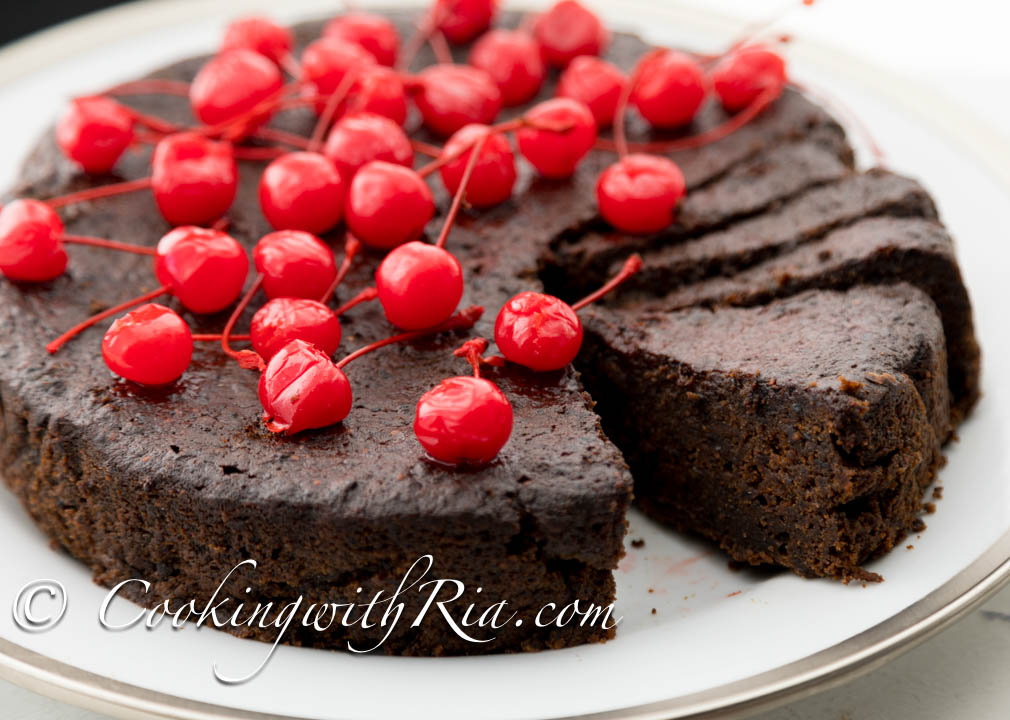
Before I get to the recipe I would like to thank all the wonderful readers of my blog, especially those who have taken the time to send me such wonderful emails telling me how much you love my blog and sharing your personal stories with me. You inspire me!

I now present the auspicious and truly ubiquitous Trinidad black cake. The Caribbean-rum-fruit cake trumps all other cakes. What makes it so special and so beloved? You can say that it’s the fruits, the butter, or the sugar, but I am convinced that it’s the rum. The rum elevates it to a level that makes you giddy with happiness. No wonder Trinidad was named the happiest country in the world.

Even the non-alcohol drinker (a sip makes me drunk) like me makes an exception or two over the holidays, and it’s not uncommon to have a slice for breakfast at work and a piece immediately upon returning home from a long, arduous day at work. It makes for a very happy day.

What is the Secret to Making the Best Black Cake?
I spoke to many people over the years to extract their secret to making this cake. One cousin does not add baking powder and the result is soft, almost pudding-like. Many online recipes call for 8 eggs. Most of the best bakers I spoke to in Trinidad use 12. “Use a ‘pong’ (pound) of everything and just average the odder ingredients”, they recommend.
No one had a precise recipe, and none of the recipes I reviewed online mentioned that the pound of each fruit, along with the entire bottle of rum and wine called for in many recipes, were not used in its entirety.

I am here to eliminate all the vagaries once and for all. I did all the testing and retesting for you. No more doubts, averaging, trial and error methods. I tested it so many times that late one night while placing the cherries on one of the many cakes I made, I swore that the cake was moving. It was at that moment, I knew what it felt like to be utterly inebriated.

I settled on a recipe given to me over the phone by my mom’s friend, Aunty Lach. It was Aunty Lach’s black cake that I grew up on. Her black cakes would be the benchmark for all the other cakes I would consume in the future. None ever lived up to hers, until now. I translated her “average” measurement and suggestions into the best recipe I could create.
This is a simple recipe and in no way daunting.
The Tale of Soaked Fruits Under the Kitchen Sink
No black cake introduction is complete without telling you about all those eerie large glass jars of black stuff (currants, prunes, raisins soaked in rum) my mother had hidden under the kitchen sink. I was ordered to not touch, open or smell the contents.
I don’t recall her baking black cakes, because her best friends did that for her(Aunty Lach was one), but those jars held their presence for my entire childhood. I wouldn’t be surprised if they are still there under the sink back home, all dusty and connected by cobwebs, waiting for their moment to shine.

Don’t tell her I told you this, but she still has a bucket of fruits soaking under the sink here in NY. Last year, I went to her home and made black cake for her with some of the soaked fruits. She did ‘buff me up’ for saying that about her and said that she baked cakes all the time! I stand corrected my friends, I may have been too drunk with black cake to recall the facts of my childhood.
Do I Need to Soak Fruits for Black Cake?
Because of that bucket of fruits, I grew up thinking that soaking –for years and months–is the best technique, until I tasted black cake that was made using fruits pureed the same day. I couldn’t tell the difference!
With the introduction of food processors in the kitchen, soaking for months to soften the fruits is no longer required, in my humble opinion. If soaking for months intensifies the flavor of the rum, come eating time, it really doesn’t matter to me.
Black Cake Baking Tips
• Fruits soaked longer result in a moister cake! If fruits are soaked only a couple of hours or days, it will result in more of a cakey texture. Still extremely delicious!
• I halved the original one (1) pound recipe, to make only one or two not two or four cakes. I found this amount easier to manage. I imagine you will be overwhelmed managing bowls and bowls of batter—especially if you are making it for the first time! Thank me later!
• Cakes baked in parchment paper lined tins are easier to remove and serve. It was impossible to remove the cake from the tins I floured and buttered, especially after soaking. I personally like using springform pans and line the bottom with parchment paper.
• When the cakes are removed from the oven, they will look like the color of a chocolate cake, but will darken as the rum/wine mixture is poured on.
• The amount of browning used will vary depending on the brand—add gradually until the desired color is achieved.
• Many recipes call for nutmeg, allspice, cloves and mixed essence, however, this cake is already amazing without those ingredients so I don’t add them. Try it for yourself and see! Add only a pinch if you insist—you don’t want to overpower the fruit flavor.
• Mixed essence is a combination of vanilla and almond extracts—which we are already using in its purest form! I just saved you the trouble of trying to figure out what it is and where to go find it.
How to Make Black Cake Using “Unmeasured” Pre-Soaked Fruits From a Bucket?
If using pre-soaked fruits from a bucket under the kitchen sink, from the year of your birth, measure out enough to make 2 cups processed (1 lb) (more if you like a dense fruity cake). To do this, place 2 cups, without the liquid from the container, into a food processor. Pulse for 5-20 times to get the texture you desire. My sister loves chunky fruits. I, on the other hand, like a little texture, but not too much.
To bake your fruit cake, after measuring and processing your fruits, skip steps 1, 2 and 3 below. Add (as you normally would) in Step 10 below.

Press play to watch video below:

Step by Step Direction with Photos
1. In a small bowl or measuring cup mix 1 cup of cherry wine and 1 cup of rum.
2. In a small glass bowl, add raisins, currants, prunes and mixed fruit peel and 1 cup of rum and wine mixture, reserving the remaining cup to pour over the cake when it’s finished baking. Soak fruits for a few hours (minimum) or overnight…..or weeks or months…or years–whatever makes you happy.
For fruits soaked up to a year, measure 2 pounds (no liquid) and you only need to pulse about 15-20 times. It should yield about 2 1/2 cups of macerated fruit. This version (and quantity) will result in more of a pudding texture rather than a “cakey” texture. If you wish for a cakey texture, reduce amount of fruit used.


11. Pour batter into one or two prepared 8 inch round baking pans(or pans lined with parchment paper). Two will result in thin cakes–one thicker.
This recipe will also make approx. 24 cupcakes(fill cupcake tins 3/4 full and bake for less time). Cupcakes took 45 minutes in my oven.

Immediately place pans on the middle rack in the oven and bake until a toothpick or skewer, inserted in the cake, comes out clean, about 45-70 minutes. All depends on the thickness of the cake and the size of the pans used. You will need to employ your sense of sight and smell to ensure that it does not burn or over bake.

STORAGE TIPS:
Black cake can be left out on the counter but must be tightly wrapped with plastic wrap or brown paper and foil or place in a tightly covered tin pan. If at any time you see that it’s beginning to dry out, add more wine mixture over cake. Some folks soak their cake with a bottle of rum which allows it to last for many years, but unless you are an alcoholic or almost one, I won’t recommend doing that!


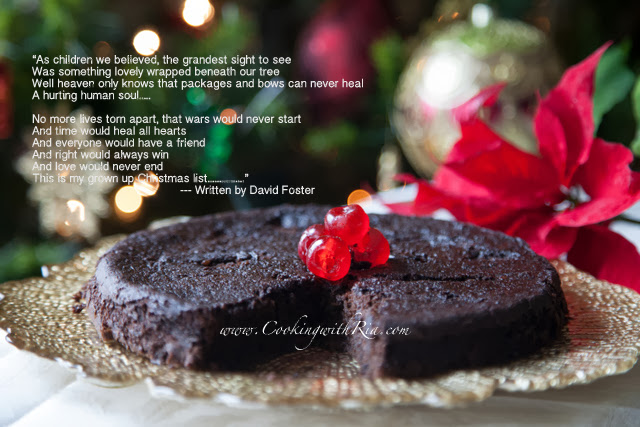
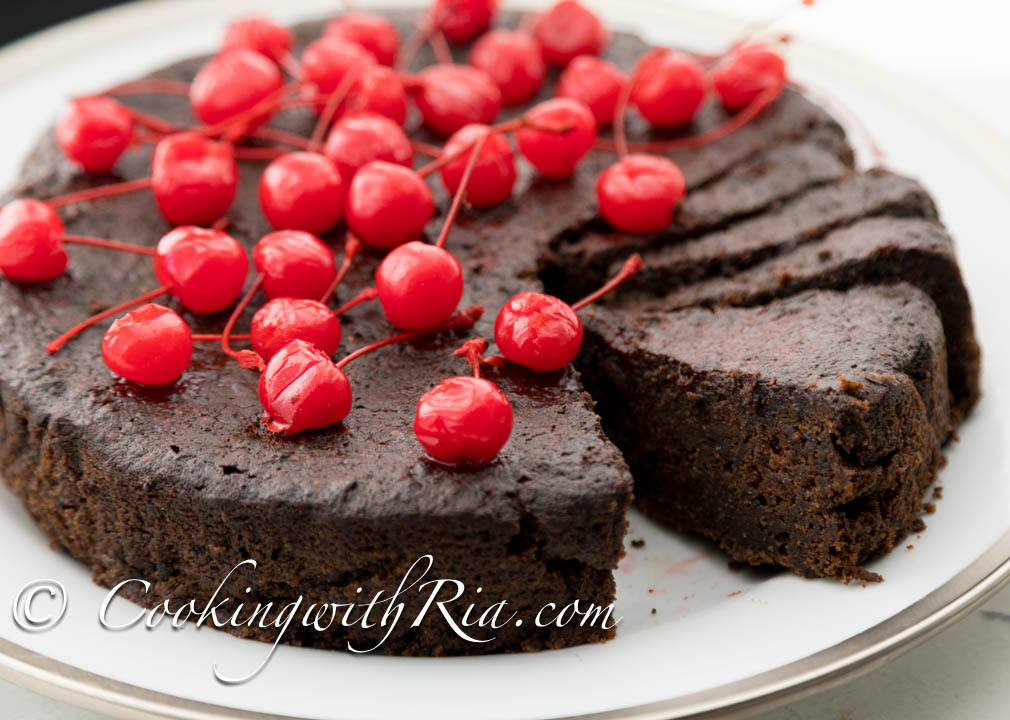
Trinidad Black Cake / Caribbean-Rum-Fruit-Cake
Ingredients
- ½ lb butter 2 sticks, room temperature (I used organic sweet cream salted butter), plus more for buttering pans
- ½ lb granulated sugar 1 cup
- 5 eggs room temperature, whisked
- 4 oz dark raisins packed 1/3 cup
- 4 oz currants about 1/3 cup
- 4 oz pitted prunes about 1/3 cup
- 4 oz candied mixed fruit (about 1/3 cup)
- 1 cup cherry wine I used Manischewitz
- 1 cup red rum Fernandez black label
- ½ lb all-purpose flour about 1 1/2 – 2 cups
- 2 teaspoons ground cinnamon
- 2 ½ tablespoons browning also known as burnt sugar, or more depending on the brand
- 2 teaspoons pure vanilla extract
- 1 teaspoon pure almond extract
- 2 teaspoons baking powder
Instructions
- In a small bowl or measuring cup mix 1 cup of cherry wine and 1 cup of rum.
- If you are using pre-soaked fruits skip this step. In a small glass bowl, add raisins, currants, prunes and mixed fruit peel and 1 cup of rum and wine mixture, reserving the remaining cup to pour over the cake when it's finished baking. Soak fruits for a few hours or overnight…..or weeks or months…or years, whatever makes you happy.
- When you are ready to bake the cake, puree the fruits (raisins, currants, prunes and mixed peel) in the food processor, along with the liquid it was soaked in, until it is a slightly coarse consistency. It will make about 2 cups. (I pulse about 60 times in the food processor for fruit that has soaked only 3-4 hours. I don't enjoy eating huge chunks of fruits!) If using pre-soaked fruits, measure out enough soaked fruits to make 2 cups or 1 lb (without liquid), or as required. Pulse in the food processor until your desired texture.
- Preheat oven to 325F. Prepare 1 – 8 inch pan (for a thicker cake or two pans for a smaller cake), small gift tins or cupcake pans using the usual butter then flour or line with parchment paper. I do not butter the baking tins when using parchment paper since the parchment paper comes all the way to the top of the tin. I trim the excess paper around tin.
- In a medium bowl, using an electric beater whisk eggs for about 30 seconds on level 2 speed. Set aside.
- In a large bowl or in a kitchen aid stand mixer bowl, using the beater attachment(I also use the whisk when I cannot find the beater attachment!), cream butter and sugar until light, pale and fluffy, about 5-10 minutes.
- Pour eggs into the creamed mixture in a very slow and steady stream until combined.
- Mix cinnamon, flour and baking powder and gradually add to creamed mixture (on level 1).
- Once flour is in, add almond and vanilla extracts, increase to level 4 speed and continue until flour mixture is light, another minute. Remove bowl from stand and scrape down sides and bottom and mix with a spoon to ensure that the batter is evenly and thoroughly combined-with no white streaks.
- Add pureed fruits and browning to batter. Adjust browning depending on the brand. Sometimes you may require more than the recipe calls for. Using a wooden spoon, mix in a brisk, clockwise, whipping motion until thoroughly combined(10-15 times).
- Important-place a wooden spoon upright in the middle of the batter. If it falls, you need to add ½ cup, or more flour, to the batter. I usually measure with flour with a scale (1/2 lb) and never had to adjust.
- Pour batter into two prepared 8 inch round baking pans(or pans lined with parchment paper). This recipe will also make approx. 24 cupcakes(fill cupcake tins 3/4 full and bake for less time or until toothpick comes out clean ).
- Place a baking pan filled halfway with water on the bottom rack–this is a new technique my mom shared with me that makes a more moist cake. Immediately place pans on the middle rack in the oven and bake until cakes separate from the sides of the pan or until a toothpick or skewer comes out clean, about 45-70 minutes, depending on the thickness of the cake and the size of the pans. You will need to employ your sense of sight and smell to ensure that it does not burn or over bake.
- Remove cake/s from the oven. When cakes are not hot but still slightly warm, pierce with a toothpick and drizzle rum and wine mixture over cake(about 3 tablespoons at a time). Repeat the morning and evening the next day. You may continue to add more wine or rum to your liking.
Video
Notes
Nutrition
Did You Love This Recipe? Leave a Rating and Comment!
I’d love to hear your thoughts on this recipe! Don’t forget to rate it above and leave a comment below. If you have any questions, reach out via email at [email protected].
Happy baking!
Other Holiday Recipes You May Love:
Recent Posts
- Easy Caribbean Curry Chicken for Beginners (Small-Batch Recipe)
- What to Eat and Do in Sint Maarten and Saint Martin: Our Week in Paradise
- Caribbean Stewed Cannellini Beans
- Easy Spicy Chow Mein Recipe for Two (Ready in 20 Minutes)
- How to Cook Pumpkin with Mixed Seafood Recipe (Trinidad Pumpkin Talkarie)







I'm excited to try this. I'm a second generation Trini and I don't have much family here, so these Trini food blogs help me feel connected to Trinidad. Thanks so much!
Just popped it in the oven! Thanks for the recipe I asked my nana from Barbados for a recipe but she has lost her old Caribbean cookbook! Bless
I just made mine last night. This recipe was a cinch and came out PERFECT! I got the thumbs up from my husband while he was still chewing! Thank you so much, please keep these classic, wonderful recipes coming.
What s red rum? can u please tell me a brand and what is the name please… also brand of cherry wine… thank u
Very nice recipe. will be using it the next time I'm making black cake.
Great Recipe
Thanks for the recipe put mines in the oven bout 20mins ago. Can't wait to taste it.😋😊😊
Hi
I have been using this recipe your the last Four years
It's delicious and very easy to prepare
Thank you Ria
Happy holidays
I love this method of black fruit cake
Thanks RIA for your perfect explainable recipe of Christmas black cake..as a Trini in Toronto it warms my heart (and feet)thanks
Cherry Ann Mendez
Hi
I have been using this recipe your the last Four years
It's delicious and very easy to prepare
Thank you Ria
Happy holidays
I was asked to make this cake again for Thanksgiving by my family. They don't want to wait for Christmas! Thank you for sharing this recipe.
Cake was delicious. Broke apart somewhat when cut though. Maybe it needed more fruit or flour. Will tweak it a bit but definitely making it again
My very first time making a black cake and this recipe was super easy .