A Taste of Tradition
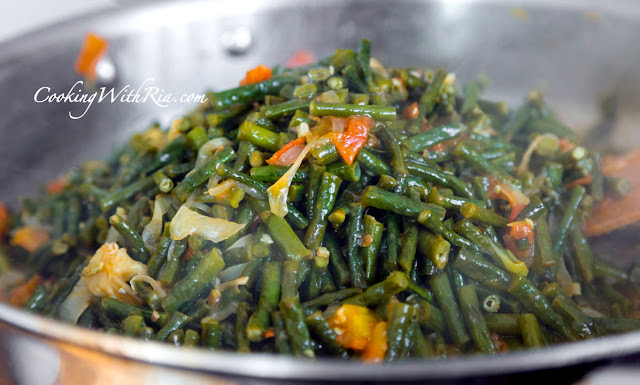
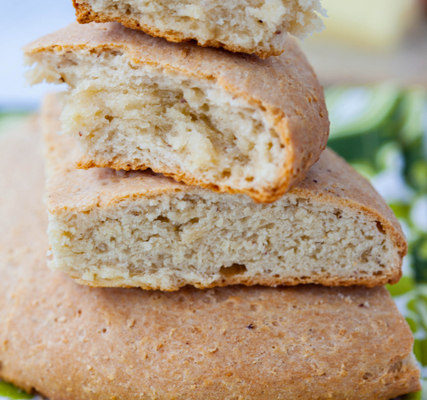
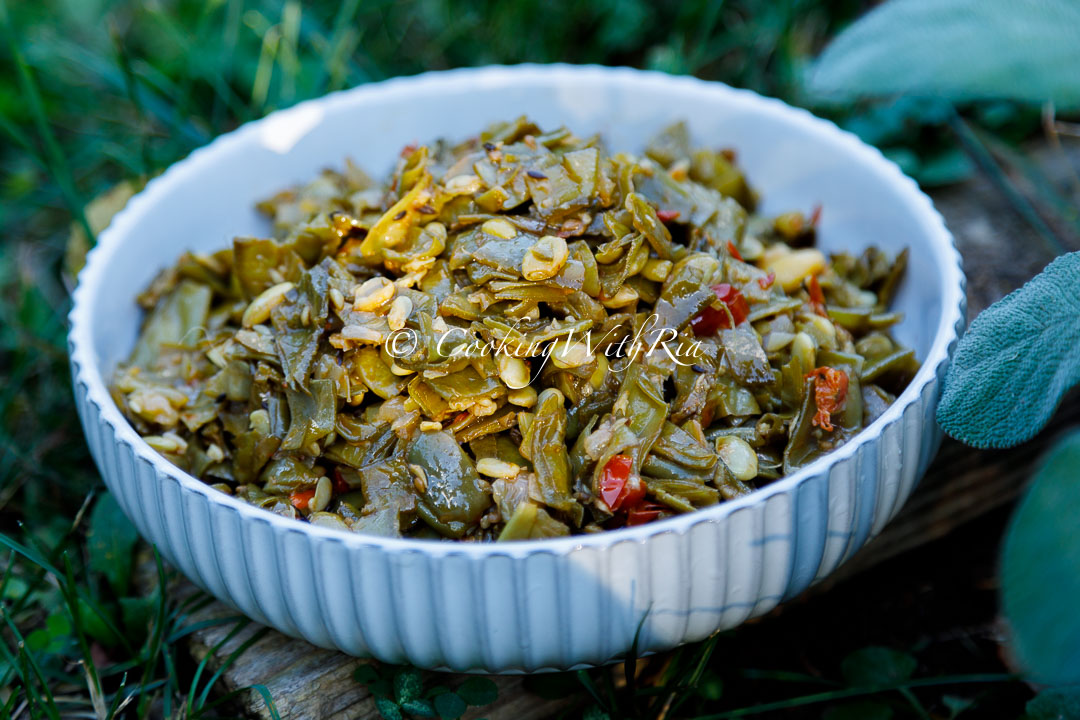
Fry Seim is one of those traditional vegan dishes we grew up eating for breakfast or dinner during the week—or on weekends—with sada roti or dosti roti. It’s simple, flavorful, and allows the natural taste of the seim to shine without being overpowered by spices or other ingredients.
Table of Contents
I’ve already shared my Fry Seim with Aloo recipe, but this simple version deserves its own special place here on the blog. There are also two delicious cousins to this dish: Curry Seim and Curry Seim and Peas—each with its own personality, yet built on the same wholesome base that makes seim such a beloved vegetable in Trini homes(will be sharing those recipes soon).

As I’ve grown older, I find myself relying more and more on the foods of my childhood to sustain, nourish, and keep me healthy, strong, and energetic. Nowadays, I enjoy Fry Seim for breakfast with my eggs or with roti for dinner. I try to keep my meals vegan two to three times per week, depending on my workload—on heavier physical-labor days I include more protein, on lighter days I happily go fully plant-based.
This recipe isn’t just about simple ingredients—it’s about technique, the one passed down from my mother, who mastered the art of making flavorful vegan, plant-based Trini food. Because of her, I’ve learned to appreciate and depend on these humble vegetables that keep me balanced and grounded.
I usually buy frozen seim from Liberty Avenue in Queens, NY, or order it online. You can use this link to get $20 off your order—since discovering this online store, I no longer have to make the monthly trek to Queens for those hard-to-find Caribbean staples.
Ingredients You Will Need
- Seim (Hyacinth beans / Lablab beans / Val Papdi): Fresh or frozen; frozen seim is sold at Indian grocers as Val Papdi.
- Extra-virgin olive oil – for sautéing.
- Cumin seeds (optional) – earthy and aromatic.
- Onion – adds sweetness.
- Garlic – savory depth.
- Hot pepper – to taste.
- Tomato – acidity and balance.
- Salt – enhances flavor.
The Origin and Global Journey of Seim
The plant we call Seim—scientifically known as Lablab purpureus and globally recognized as the Hyacinth Bean or Lablab Bean—has ancient roots stretching across Africa and Asia. Botanists from institutions such as Kew Gardens and the International Legume Society have traced its earliest cultivation to Africa, with evidence of domestication spreading to India as far back as 1500–2500 BC. Over centuries, it thrived throughout the tropics and subtropics, adapting to local climates and culinary traditions wherever it took root.
From Ancient Africa to Everyday India
By the colonial era, lablab or seim had become a familiar sight in Indian markets—known by many regional names such as val papdi, surti papdi, sem phali, avarai, and mochai. It was not an exotic crop, but an everyday kitchen vegetable, cooked in home kitchens across the subcontinent. It was loved for its mild flavor, tender pods, and nutritional value—qualities that would later make it an easy fit for Caribbean life.
The Journey to Trinidad
Between 1838 and 1917, over 143,000 Indians arrived in Trinidad under the indentureship system to work on sugar-cane estates. Alongside their traditions, language, and religion, they carried seeds and cuttings—what historians and the Trinidad Guardian describe as the treasured “jahaji bundles.” These humble bundles contained the roots of home: vegetables, herbs, and spices that would soon transform the island’s cuisine.
According to the Trinidad Ministry of Agriculture, seim was “assumed to have arrived with the indentured workers from India in the late 1800s.” This aligns with oral histories and cultural records that show how Indian vegetables such as bodi, baigan, karaili, and seim became essential parts of the Trinidadian diet. These plants not only survived but thrived in Trinidad’s fertile, tropical climate—flourishing in backyard gardens and on the edges of cane fields.
Why Seim Endured
Seim’s endurance is no accident. It’s hardy, drought-tolerant, and produces abundantly in hot weather. It cooks quickly and adapts beautifully to both dry and curried preparations—whether in Fry Seim, Fry Seim with Aloo, Curry Seim, or Curry Seim with Peas. Its mild flavor and tender texture made it a perfect fit for Trini-style home cooking—flavorful, efficient, and deeply nourishing. Over time, seim became more than a vegetable; it became a symbol of heritage, linking generations of Trinidadians to their Indian roots while embodying the island’s spirit of adaptation and creativity.
Names for Seim Around the World
| Region / Language | Common Names |
|---|---|
| Trinidad & Tobago | Seim |
| India (Gujarati/Maharashtrian) | Val Papdi / Surti Papdi |
| India (Hindi/North) | Sem / Sem Phali |
| India (Tamil) | Avarai / Avaraikka |
| India (Malayalam) | Amarakka / Amara Payar |
| Africa & Global | Hyacinth Bean / Lablab Bean (Lablab purpureus) |
Tip: In most Indian and international grocery stores—including those in NYC and online—frozen seim is sold as Val Papdi.
How to Clean Seim (Val Papdi / Hyacinth Bean)
If you’re using frozen seim (val papdi)—as in this recipe—there’s very little prep required. Simply rinse the frozen seim quickly under cold water to thaw and refresh before cooking. Once drained, it’s ready to use.
However, if you’re lucky enough to find fresh seim, you’ll need to clean and prep it properly. The pods can be fibrous, and this quick process ensures tenderness and great flavor:
- Rinse thoroughly: Wash the seim under running water to remove dirt and debris.
- Trim the ends: Snap or cut off the tip and tail of each pod—you’ll notice the fibrous string that runs along the sides start to loosen.
- Remove side strings: Pull down the fibrous strands from both sides of the pod. This step is crucial—if left intact, the fibers make the dish chewy and unpleasant.
- Open and inspect: Gently slit open or snap the pods and check inside for freshness. Occasionally, older pods may hide tiny worms or have seeds that are discolored or dried out. Discard any that aren’t firm and green.
- Cut to size: Once cleaned, break or cut the pods into 1-inch pieces for even cooking—the traditional size for Trinidadian Fry Seim.
- Rinse again and drain: Give the cut pieces one final rinse, then drain well before cooking.
Note: In Indian cooking (e.g., Sem Aloo ki Sabzi), cooks often add hing (asafoetida) or ajwain (carom seeds) during the tempering to aid digestion since seim can be slightly heavy. In Trinidad, the same balance is achieved by using garlic, hot pepper, and a touch of cumin, which not only enhances flavor but also helps make the dish easier to digest.
Why You’ll Love This Recipe
- Authentic Trini flavor with minimal ingredients
- Naturally vegan and plant-based
- Perfect for breakfast or dinner with roti or rice
- Quick to make and deeply satisfying
Health & Nutrition Information
Seim is rich in fiber and plant protein, low in fat, and full of nutrients. When paired with olive oil, garlic, and tomatoes, it creates a heart-healthy, balanced meal ideal for vegetarian and vegan diets.
This dish is not only vegan and vegetarian, but fully plant based, dairy free, gluten free, sugar free, low carb, clean and super healthy. The perfect veggie side dish!
Equipment Needed
Dutch oven or heavy pot • Wooden spoon • Knife and cutting board • Measuring spoons
Tips for Success
- Always use fresh or frozen seim (val papdi)—never dried.
- Let the vegetables steam in their own moisture for the best flavor.
- For a heartier dish, add pre-cooked pigeon peas or cubed potatoes.
- Adjust pepper for your preferred spice level.
Flavor Profile
Savory and slightly spicy with earthy notes from cumin, sweetness from onions, and a gentle tang from tomatoes. The natural taste of seim shines through in every bite.
Storage & Reheating
Refrigerate leftovers in an airtight container for up to 3 days. Reheat in a skillet over medium-low heat for 3–4 minutes. Avoid freezing, as it can change the texture.
FAQ
Q: How do I know when seim is cooked?
A: It loses its bright green color, becomes sweet and tender, but still holds its shape.
Q: Can I add shrimp or meat?
A: Yes — stir in lightly seasoned shrimp near the end or cook meat and add seim 25 minutes before the end of cooking.
Q: Can I make it ahead?
A: Yes, prepare a day in advance and reheat gently before serving.
Q: Is it vegan?
A: Yes, naturally vegan and plant-based.
🍽 Recipe Card – Fry Seim
Equipment
- Dutch oven or heavy pot
- Wooden spoon
- Knife and cutting board
- Measuring spoons
Ingredients
- 1 ¼ lbs fresh or frozen seim val papdi, cut into 1-inch pieces
- 6 tbsp extra-virgin olive oil
- 1/2 tsp whole cumin seeds optional
- pinch methi seeds
- ½ onion thinly sliced
- 2 tbsp minced garlic or to taste
- Hot pepper to taste
- 1 ripe tomato chopped
- Salt to taste
Instructions
- Prepare the seim: Remove side strings from fresh pods and cut into 1-inch pieces. If using frozen (val papdi), thaw before cooking.
- Heat oil: Place the pot over high heat and add olive oil. When hot, toast cumin seeds and methi seeds (if using) until fragrant and golden.
- Sauté aromatics: Add onion, garlic, and hot pepper; cook until golden brown.
- Add seim and tomato: Stir in seim and tomato, season with salt, and cook on high 1–2 minutes.
- Steam until tender: Cover, reduce heat to low, and cook 20–30 minutes, stirring every 5 minutes. Let the steam drip back each time you lift the lid.
- Adjust seasoning: Taste and add more salt if needed. Serve hot.
Nutrition
Did You Love This Recipe – Leave a Rating and Comment
If you tried this Fry Seim recipe, please leave a 5-star rating and comment in the recipe card above. Your feedback helps others discover authentic Trinidadian and Caribbean recipes!
Questions or Concerns — Write Me!
For questions or suggestions about this recipe or any others, comment below or email me at [email protected]. I love hearing from you and I’m here to help make your cooking experience a joy.
Subscribe & Get My Free Green Seasoning Booklet
Stay connected and never miss a new recipe or Sunday Lunch idea! By subscribing, you’ll receive my FREE Green Seasoning Booklet packed with tips to bring real Trini flavor to your kitchen.
Shop My Kitchen Favorites on Amazon
Explore the tools and gadgets I use every day —from pots and pans to photography gear—in my curated Amazon storefront.
Recent Posts
- Easy Caribbean Curry Chicken for Beginners (Small-Batch Recipe)
- What to Eat and Do in Sint Maarten and Saint Martin: Our Week in Paradise
- Caribbean Stewed Cannellini Beans
- Easy Spicy Chow Mein Recipe for Two (Ready in 20 Minutes)
- How to Cook Pumpkin with Mixed Seafood Recipe (Trinidad Pumpkin Talkarie)