Bodi
What Is Bodi?
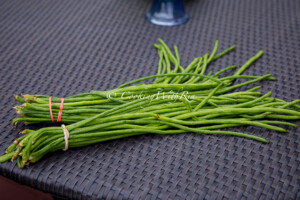
Bodi, pronounced bo-dee, is a long, slender green bean commonly used in Trinidadian, Guyanese, Caribbean, Asian, and African cooking.
In Trinidad and Tobago, we proudly call it bodi. Depending on the country or region, it may also be known as:
- Bora
- Yard-long bean
- Long bean
- Long green bean
- Long-podded cowpea
- Asparagus bean
- Snake bean
- Chinese long bean
- Chinese green bean
- Asian long bean
- Sitaw
- Kacang panjang
- Đậu đũa
- Thua fak yao
- Barbati
- Karamani
Although the names vary, they generally refer to the same type of long, narrow bean used in stir-fries, curries, stews, rice dishes, and vegetable sides.
Bodi should not be confused with ordinary green beans or broad, flat beans such as seim. It is much longer than a traditional green bean and has a slightly firmer texture.
What Does Bodi Taste Like?
Bodi has a mild, fresh, slightly earthy bean flavor. Its subtle taste allows it to absorb seasonings, curry, tomatoes, herbs, and the flavors of meats or seafood cooked with it.
When properly cooked, bodi should be tender while still retaining some firmness and a slight bite. It should not be cooked until limp or mushy.
Its texture makes it especially suitable for:
- Curries
- Sautéed or “fried” vegetable dishes
- Stews
- Stir-fries
- Fried rice
- Chow mein
- Rice and vegetable dishes
- Recipes with potatoes
- Recipes with shrimp, chicken, or saltfish
What Does “Fry Bodi” Mean?
In Trinidadian cooking, “fry bodi” does not usually mean that the beans are deep-fried.
Instead, bodi is sautéed or stir-fried in oil with ingredients such as onion, garlic, tomatoes, hot pepper, and seasonings. The pot may then be covered so the beans can steam in their natural moisture.
As the bodi cooks, the liquid gradually evaporates and the beans become tender, flavorful, and slightly shriveled while still retaining their structure.
How to Choose Fresh Bodi
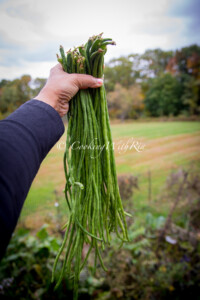
Look for bodi that is:
- Firm and flexible
- Smooth rather than heavily wrinkled
- Fresh-looking and vibrant in color
- Free from large brown spots or damaged sections
- Crisp enough to hold its shape
Bodi may be dark green or light green. Both varieties can be used in curries, stews, and sautéed dishes.
Avoid beans that are extremely limp, dry, heavily wrinkled, or soft, since these may be older and tougher.
Where to Buy Bodi
Bodi may be found at:
- Caribbean and West Indian grocery stores
- Asian supermarkets
- Indian and South Asian grocery stores
- Guyanese markets
- International produce markets
- Farmers’ markets during warmer months
- Some well-stocked supermarkets
Depending on the store, it may be labeled as bodi, bora, yard-long beans, Chinese long beans, Asian long beans, or snake beans.
How to Store Bodi
Store fresh, unwashed bodi in the refrigerator until you are ready to use it.
Keep it loosely wrapped or in a produce bag so that it does not dry out too quickly. For the best flavor and texture, use it while the pods are still firm and fresh-looking.
Wash and cut the bodi shortly before cooking whenever possible.
How to Clean and Prepare Bodi
Rinse the bodi thoroughly under cool running water and drain well.
Trim the stem ends and remove any damaged areas. The thin pointed end may also be trimmed if desired.
Line up several beans on a cutting board and cut them into pieces according to the recipe.
Common sizes include:
- ½-inch pieces: Good for quick stir-fries or dishes with small shrimp.
- 1 to 2-inch pieces: Ideal for curries, stews, and bodi with potatoes.
Cutting the beans into evenly sized pieces helps them cook at approximately the same rate.
How to Cook Bodi
Bodi may be cooked in several different ways.
Fry or Sauté
Cook the bodi with onion, garlic, tomatoes, pepper, and seasonings until tender but still slightly firm.
Curry
Add the bodi to a properly cooked curry base and simmer until the beans absorb the seasonings and become tender.
Stew
Add bodi toward the later part of cooking so it becomes tender without turning mushy.
Stir-Fry
Cook it quickly over moderately high heat with vegetables, meats, seafood, or noodles.
Add It to Rice Dishes
Cut bodi into small pieces and add it to fried rice, cook-up rice, or other seasoned rice dishes.
Tips for Cooking Bodi
- Do Not Overcook It: Bodi should be tender but still firm. Overcooking can make it limp, mushy, and dull in color.
- Add It at the Right Time: When cooking bodi with ingredients that take longer, such as chicken or potatoes, partially cook those ingredients first. Add the bodi later so everything finishes cooking at approximately the same time.
- Use a Heavy-Bottom Pot: A heavy-bottom pot distributes heat more evenly and helps prevent the seasonings and vegetables from sticking or burning.
- Stir Periodically: Stir the bodi occasionally so it cooks evenly, but avoid stirring too aggressively when potatoes are included.
- Control the Moisture: Bodi releases some natural moisture as it cooks. Many traditional bodi dishes are finished when the excess liquid has evaporated and the seasonings coat the beans.
- Keep Some Texture: The beans should have a slight bite. They should not be raw or hard, but they should not collapse when stirred.
What Can I Substitute for Bodi?
Regular green beans may be substituted when bodi is unavailable.
However, traditional green beans are shorter and may have a slightly different texture. They may also cook more quickly, so the cooking time should be adjusted to prevent them from becoming too soft.
French green beans or haricots verts may also be used, although they are thinner and more delicate.
What to Serve with Bodi
Bodi dishes pair especially well with:
- Sada roti
- Dosti roti
- Paratha roti
- Dhalpuri roti
- Chapati
- Fried bake
- Coconut bake
- Steamed rice
- Rice and dhal
- Yellow rice
- Fried plantains
- Mango kuchela
- Baigan choka
- Curried or stewed meats
- Seafood dishes
A simple fry bodi can be served for breakfast, lunch, or dinner. Heartier versions made with potatoes, chicken, shrimp, or saltfish can be served as complete meals.
Bodi Recipes on Cooking With Ria
Explore these Trinidadian and Caribbean bodi recipes on Cooking With Ria. From simple sautéed beans to curries and hearty one-pot meals, each recipe offers a different way to prepare this versatile vegetable.
Trinidad Fry Bodi
This classic Trinidadian recipe features bodi sautéed with ripe tomatoes, onion, garlic, and optional hot pepper.
As the dish cooks, the onion becomes lightly caramelized while the tomatoes add moisture, acidity, and natural sweetness. The bodi becomes juicy and tender while retaining a pleasant firmness.
Despite the name, the beans are not deep-fried. They are sautéed and steam-cooked until the natural liquid has mostly evaporated.
Serve Trinidad Fry Bodi with roti, fried bake, rice and dhal, or as a vegetable side dish with curried or stewed foods.
Fry Bodi and Aloo
Fry Bodi and Aloo combines sautéed long green beans with potatoes, tomatoes, onion, garlic, cumin, and optional hot pepper.
The potatoes add body and absorb the flavors of the aromatics, while the bodi remains tender and slightly crisp. Cumin adds a warm, nutty flavor that complements the potatoes and vegetables.
This simple plant-based dish may be served with roti, rice, dhal, fried plantains, kuchela, or as a side with meat or seafood.
Curry Bodi and Aloo
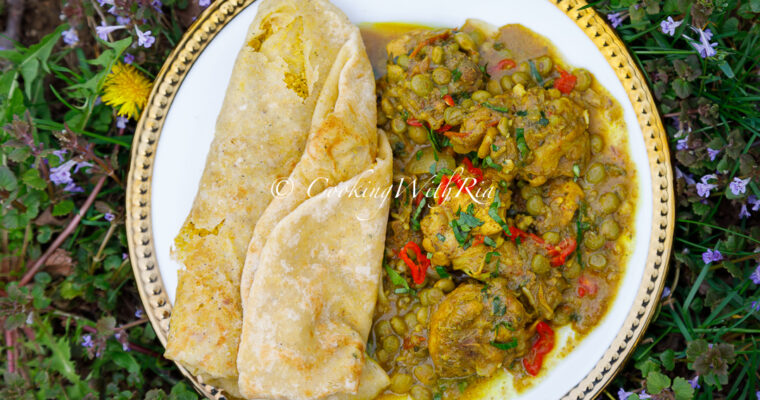
Curry Bodi and Aloo is a hearty Trinidadian vegan curry made with yard-long beans and potatoes.
The curry base is cooked down, or bounjayed, until fragrant before the vegetables are added. Green seasoning and thyme give this version additional depth and a comforting, homestyle flavor.
The potatoes absorb the curry while the bodi becomes tender without turning mushy. Serve it with sada roti, dosti roti, paratha, dhalpuri, or rice.
It is an especially satisfying option for vegetarian meals, fasting periods, and Diwali celebrations.
Trinidad Fry Bodi with Shrimp
Trinidad Fry Bodi with Shrimp pairs sautéed long green beans with tender shrimp, tomatoes, onion, garlic, scallion, and optional hot pepper.
The shrimp adds a rich, savory seafood flavor while the bodi adds freshness and texture. It is a simple but satisfying dish that works well for breakfast, lunch, or dinner.
Serve it with sada roti, dosti roti, rice, or dhal. For a vegan variation, omit the shrimp and season the bodi to taste.
Stewed Chicken with Bodi
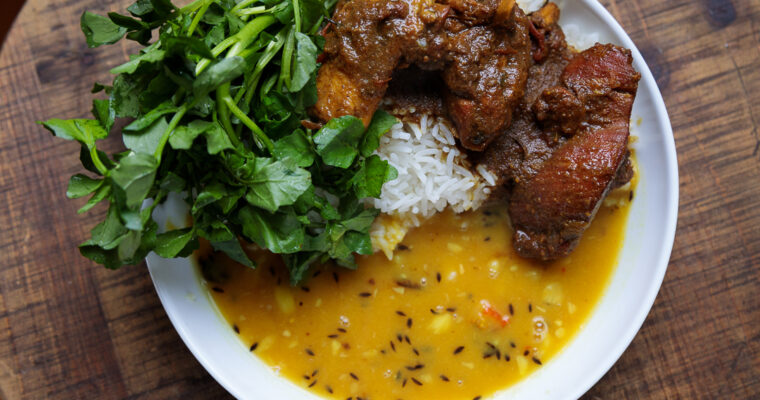
Stewed Chicken with Bodi is a comforting Caribbean one-pot meal made with seasoned chicken, long beans, potatoes, tomatoes, and aromatics.
The chicken is browned using the traditional burnt-sugar method, creating a deeply flavored gravy. Bodi and potatoes are added later so they can absorb the seasonings without becoming overcooked.
The potato releases starch as it cooks, helping the gravy thicken and bringing the chicken, bodi, and seasonings together into one cohesive dish.
Serve it with chapati, sada roti, paratha, steamed rice, yellow rice, or a fresh salad.
Curry Bodi and Aloo with Saltfish
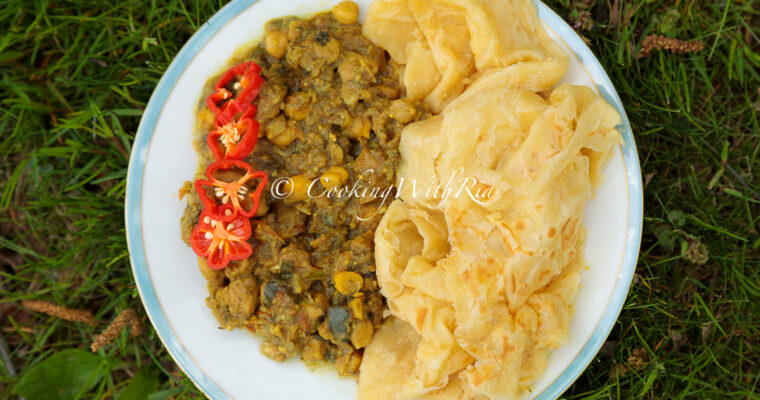
Curry Bodi and Aloo with Saltfish combines bodi, potato wedges, and rinsed saltfish in a fragrant Trinidadian curry base.
The curry is bounjayed with green seasoning until grainy and aromatic. The potatoes are partially cooked before the bodi, tomatoes, scallion, and thyme are added.
The saltfish provides savory depth, while the potatoes absorb the curry and the bodi remains tender but firm. The finished dish should be cohesive and flavorful without liquid accumulating at the bottom of the pot.
The saltfish may be omitted for a vegan version, and the potatoes may be omitted for a lighter, lower-carbohydrate variation.
Serve it with roti, rice, dhal, or as part of a larger Caribbean meal.
Frequently Asked Questions
Is Bodi the Same as Green Beans?
Bodi and ordinary green beans are related but are not exactly the same.
Bodi is considerably longer and usually has a slightly firmer texture. Traditional green beans may be substituted, but they may require a shorter cooking time.
Is Bodi the Same as Bora?
Yes. Bora is another regional name for bodi or yard-long beans.
How Do You Pronounce Bodi?
Bodi is pronounced bo-dee.
Can You Eat Bodi Raw?
Bodi is generally cooked before eating in traditional Trinidadian dishes. Cooking improves its texture and allows it to absorb the seasonings in the dish.
Why Is It Called Yard-Long Bean?
The pods can grow exceptionally long, sometimes approaching a yard in length. Beans sold in markets may be shorter or longer depending on the variety and when they were harvested.
How Do I Keep Bodi from Becoming Mushy?
Do not add it too early when cooking it with chicken or potatoes. Cook the longer-cooking ingredients first, then add the bodi later.
Check it periodically and remove the pot from the heat once the beans are tender but still firm.
Can Bodi Be Cooked Without Tomatoes?
Yes. Tomatoes add moisture, acidity, and sweetness, but bodi can also be cooked with curry, coconut milk, garlic, onion, cumin, or other seasonings.
Can I Make Bodi Without Meat or Seafood?
Yes. Fry Bodi, Fry Bodi and Aloo, and Curry Bodi and Aloo are naturally plant-based when prepared without animal products.
Can I Add Saltfish to Bodi?
Yes. Saltfish adds a savory, salty flavor to bodi dishes.
Rinse the saltfish thoroughly before cooking, and wait until near the end of cooking before adding extra salt.
Can I Add Bodi to Stewed Chicken?
Yes. Add it after the chicken has mostly cooked so the beans do not become overly soft. Potatoes may also be added to help bring the stew together.
Explore More Trinidadian Ingredients
Bodi is one of the many vegetables that appears regularly in Trinidadian home cooking. Its ability to absorb flavor makes it suitable for simple weekday dishes, vegetarian meals, curries, stews, and one-pot recipes.
Whether you know it as bodi, bora, yard-long beans, snake beans, asparagus beans, or Chinese long beans, this versatile vegetable can be transformed with a few simple ingredients into a deeply flavorful meal.
Explore the bodi recipes above and discover a new way to prepare this beloved Caribbean vegetable.