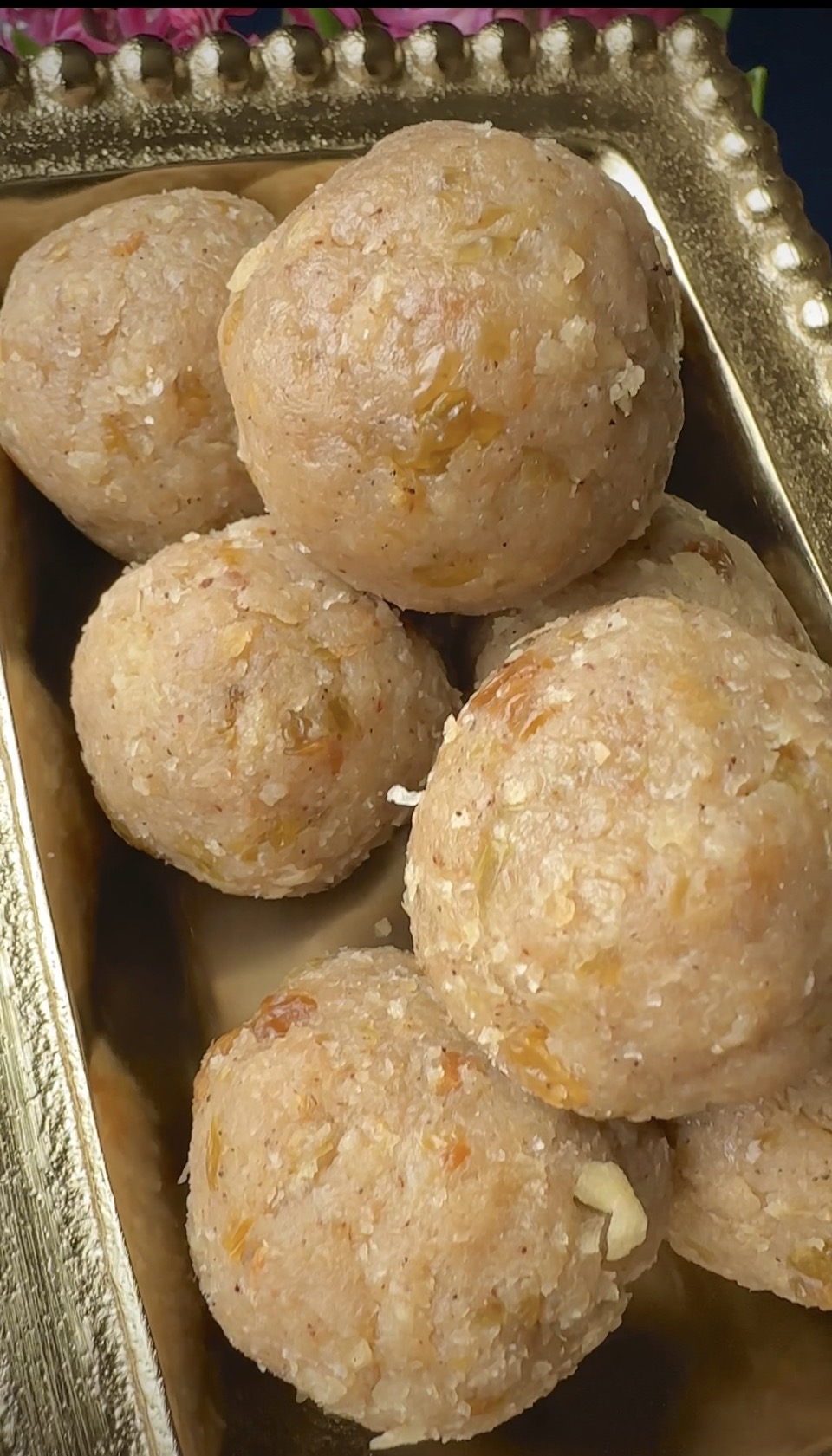
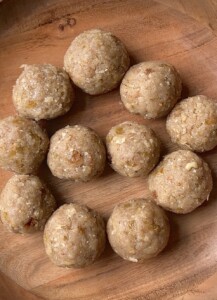
Malida, also spelled maleeda or maleedaa, is a traditional Indo-Trinidadian Eid (click to read more about Eid in Trinidad) sweet made by finely processing paratha roti and combining it with condensed milk, warm spices, and raisins, then shaping it into soft, fragrant balls. Simple yet deeply meaningful, this dish transforms something as everyday as roti into something celebratory, rooted in memory, culture, and faith.
Table of Contents
🌙 A Memory of Malida
This version of malida comes from memory — not from a written recipe, but from moments that have stayed with me over the years.
As a young girl growing up in Trinidad, I remember Eid as a time when our Muslim neighbors would visit, bringing a mug of sawine and a selection of sweets that always included malida. It was soft, lightly sweet, and delicately spiced, and it quickly became one of my favorite treats.
Living in New York, those exchanges no longer happen in the same way. There is no knock on the door and no shared plate arriving unexpectedly. Over time, I found myself wanting to recreate those flavors at home, relying on memory, instinct, and a brief lesson I received many years ago at a cousin’s house from someone who prepares it every Eid.
My mother also shared a detail that stayed with me. My nana, a professional roti maker, would make paratha and always set aside the last one specifically for malida. In that process, Uncle Raffiq’s father would prepare the malida itself. It was a shared rhythm — one person making the roti, another transforming it — each step carrying its own purpose.
This version is simple and made to my preference, but like many traditional dishes, it can be adjusted to suit your taste.
🌍 History and Cultural Importance
Malida, also spelled maleeda or maleedaa, has roots that extend beyond Trinidad into parts of North India, Pakistan, Afghanistan, and Fiji, where similar sweets are made by combining bread or roti with fat, sugar, and spices, often for religious or ceremonial occasions.
In Trinidad, however, malida has developed its own identity.
It remains closely tied to Eid and is often served alongside sawine and halwa as part of what is commonly referred to as “sirni,” a collection of sweets prepared for religious gatherings and shared with others. While the dish exists in other parts of the world, it is not widely prepared across the Caribbean, making its presence in Trinidad both distinctive and culturally significant.
🌍 Trinidad Malida vs. Hyderabadi Malida (as a reference)
While the name malida is shared across regions, the preparation and presentation can differ significantly.
In Hyderabad, malida is typically made from a dough of all-purpose flour and sooji (semolina), kneaded with milk, cooked into a roti, then ground and mixed with sugar and cardamom. It is usually served loose, resembling a sweet, crumbled bread rather than a shaped confection.
Trinidadian malida reflects a different approach. It is made using already-cooked paratha, which is processed into fine crumbs and combined with condensed milk, spices, and raisins. The condensed milk acts as a binding agent, allowing the mixture to be shaped into soft balls for serving.
In this way, Trinidadian malida can be understood as a crumbled sweet bread that is gently bound and shaped, rather than a loose mixture.
❤️ Why You’ll Love This Recipe
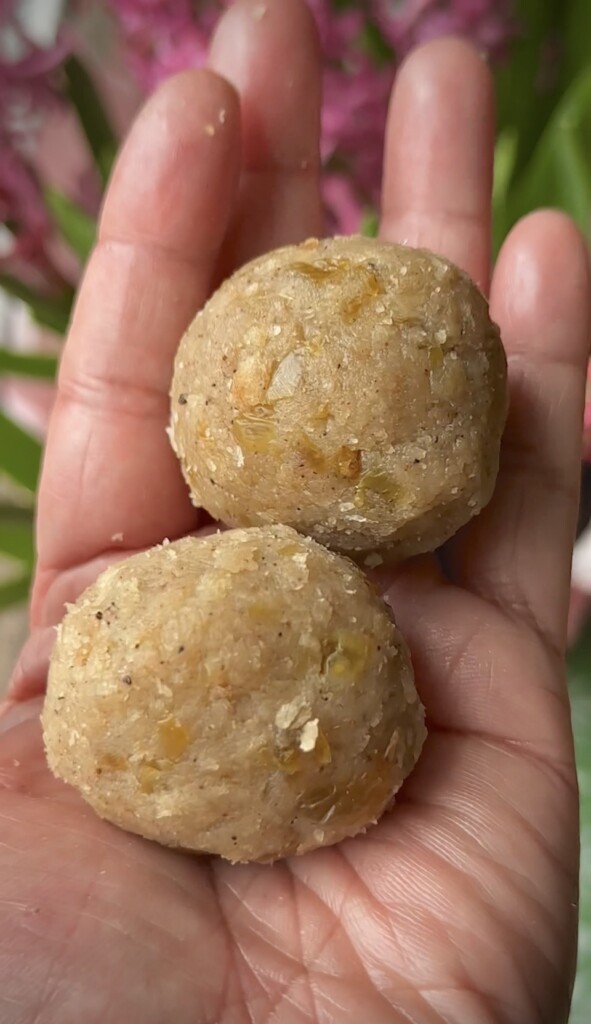
- Simple and accessible: Made with basic ingredients and minimal cooking.
- Rooted in tradition: A meaningful Eid sweet with cultural significance.
- Quick to prepare: Comes together in minutes once the roti is ready.
- Customizable: Easily adjusted for sweetness, spice, or texture.
- Perfect for sharing: Ideal for Eid gatherings or gifting.
🛒 Ingredients You Will Need
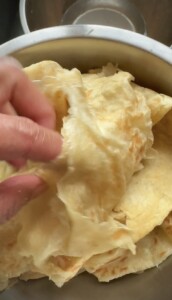
- Paratha roti (2 small / 12 oz) – The base; must be hot and freshly made if possible.
- Condensed milk – Acts as both sweetener and binding agent.
- Granulated sugar – Adds light additional sweetness.
- Ground cardamom – Provides signature aroma.
- Ground cinnamon – Adds warmth and depth.
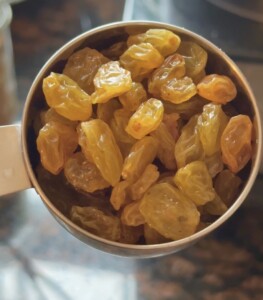
- Raisins – Adds texture and bursts of sweetness.
- Melted butter – Helps coat and enrich the crumbs.
🫓 A Note on the Paratha
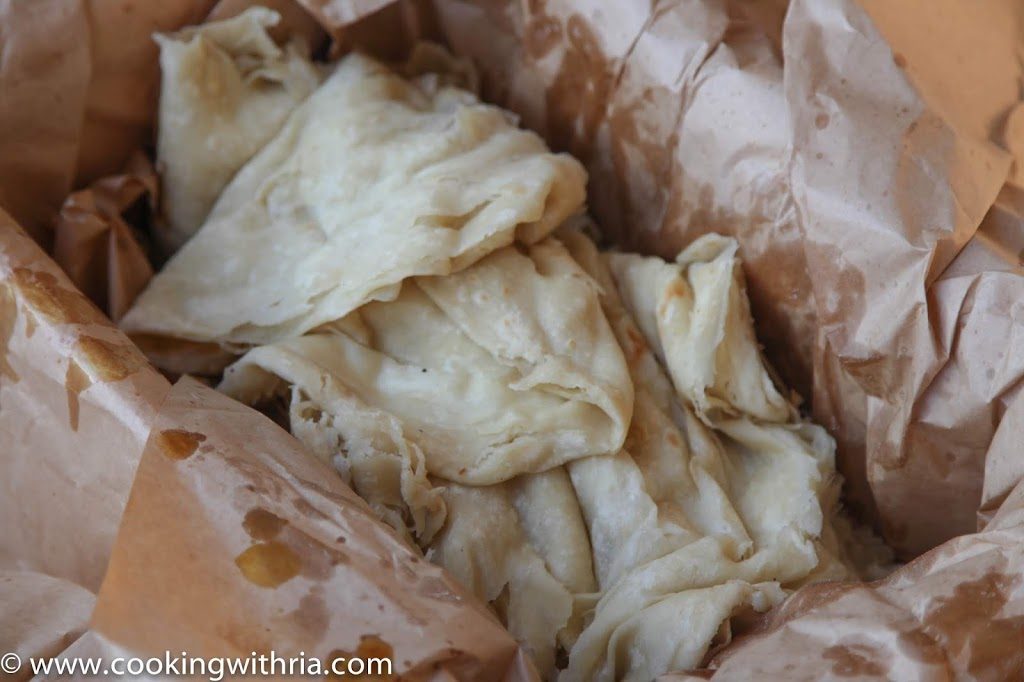
Malida begins with good paratha.
For the best results, use freshly made paratha that is still hot. The warmth allows the butter, spices, and condensed milk to blend more easily into the crumbs, creating a smooth, cohesive texture. Cold roti will not absorb the ingredients in the same way and can result in a drier mixture.
If you don’t already have paratha prepared, you can make it using my detailed step-by-step recipe here:
👉🏽 [How to Make Paratha (link to recipe)
Once cooked, reserve one paratha specifically for this malida while it is still warm. That one step makes a noticeable difference in both texture and flavor.
🧰 Equipment
- Food processor
- Mixing bowl (optional)
- Spoon or spatula
👅 Flavor Profile
Malida is soft and lightly crumbly, with a gentle sweetness balanced by warm spices. The cardamom and cinnamon give it a subtle fragrance, while the raisins add small bursts of sweetness throughout. It is not overly rich, but comforting and satisfying.
🔥 Tips for Making the Best Malida
The success of malida depends on heat, texture, and moisture.
Using hot paratha allows the butter and condensed milk to blend seamlessly into the crumbs, creating a cohesive mixture. If the roti is cold, the texture will not develop in the same way.
The crumbs should be fine and even, and the mixture should feel slightly moist when shaping. If it feels dry while rolling, it will continue to dry out, so a small additional amount of condensed milk may be needed.
Sweetness and spice should be adjusted to your preference, as this is a flexible and personal recipe.
Variations You May See
Some people prefer to add whole raisins or chopped red cherries, while others include finely grated fresh coconut with the brown skin removed and pulsed until fine. Coconut can also be lightly toasted before adding for a deeper flavor.
My version does not include coconut, but you can add 2–4 tablespoons if desired. I also prefer pulsing light raisins in the food processor so they blend into the mixture rather than standing out.
🍽️ Serving Suggestions
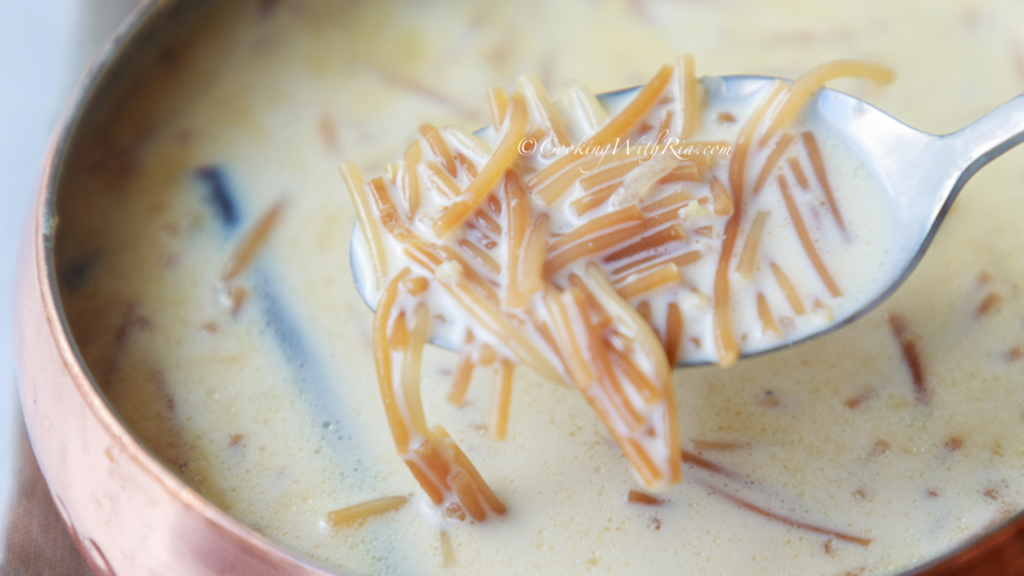
Serve alongside:
- Sawine – as seen above
- Halwa
- Other Eid sweets
Perfect for Eid gatherings or as part of a sweet platter.
Sample Traditional Eil-ul-Fitr Menu
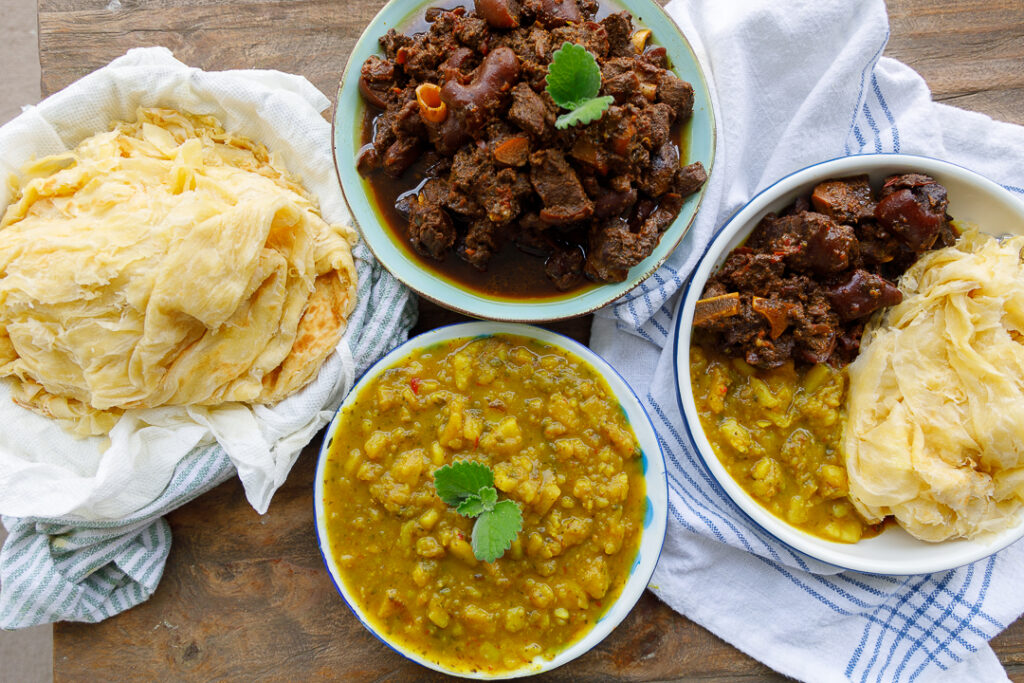
Eid celebrations in Trinidad are marked by a variety of delicious traditional dishes, reflecting the island’s rich culinary heritage. Here are a few favorites:
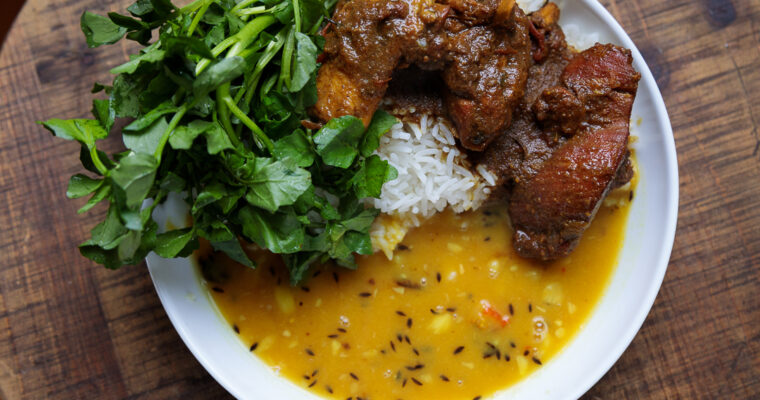
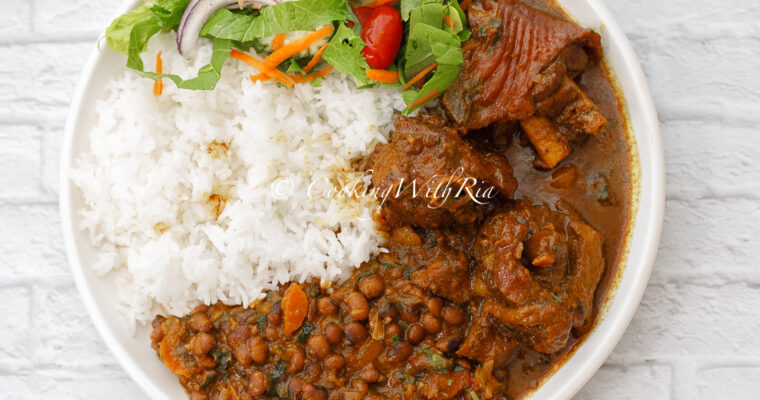
- Curry Goat: A flavorful and aromatic dish made with tender pieces of goat meat cooked in a spiced curry sauce. It’s a popular choice for special occasions and adds a rich, savory element to the Eid feast. See also Instant Pot curry stew goat.
- Channa and Aloo: This dish features chickpeas and potatoes cooked with spices, offering a hearty and satisfying option that is both comforting and flavorful. See also curry aloo recipe.
- Mango Talkari or Curry Mango: This dish is made with mango pieces cooked with spices and sweetened. It’s a tangy and spicy accompaniment that pairs well with various dishes.
- Sawine: A traditional sweet vermicelli dish, often enjoyed during Eid. It is prepared with milk, sugar, and spices, and sometimes garnished with nuts and dried fruits.
- Malida (or Maleeda)–this recipe!: A sweet dish made from crushed paratha mixed with sugar, spices, condensed milk, ghee, and sometimes dried fruits. It’s a comforting and indulgent treat often enjoyed during festive occasions.
- Paratha(Buss up shot): A soft, flaky leavened flatbread often served with various dishes. It’s a staple in many Trinidadian Eid meals and complements a variety of main courses.
- Gulab Jamoon (Fat Kurma): Sweet, deep-fried dough balls finished with a sugar glaze(phaag). Known locally as fat kurma, it’s a popular and indulgent dessert enjoyed during festive celebrations.
❄️ Storage & Reheating
- Store in an airtight container at room temperature for up to 2 days.
- Refrigerate for up to 5 days.
- Best enjoyed at room temperature.
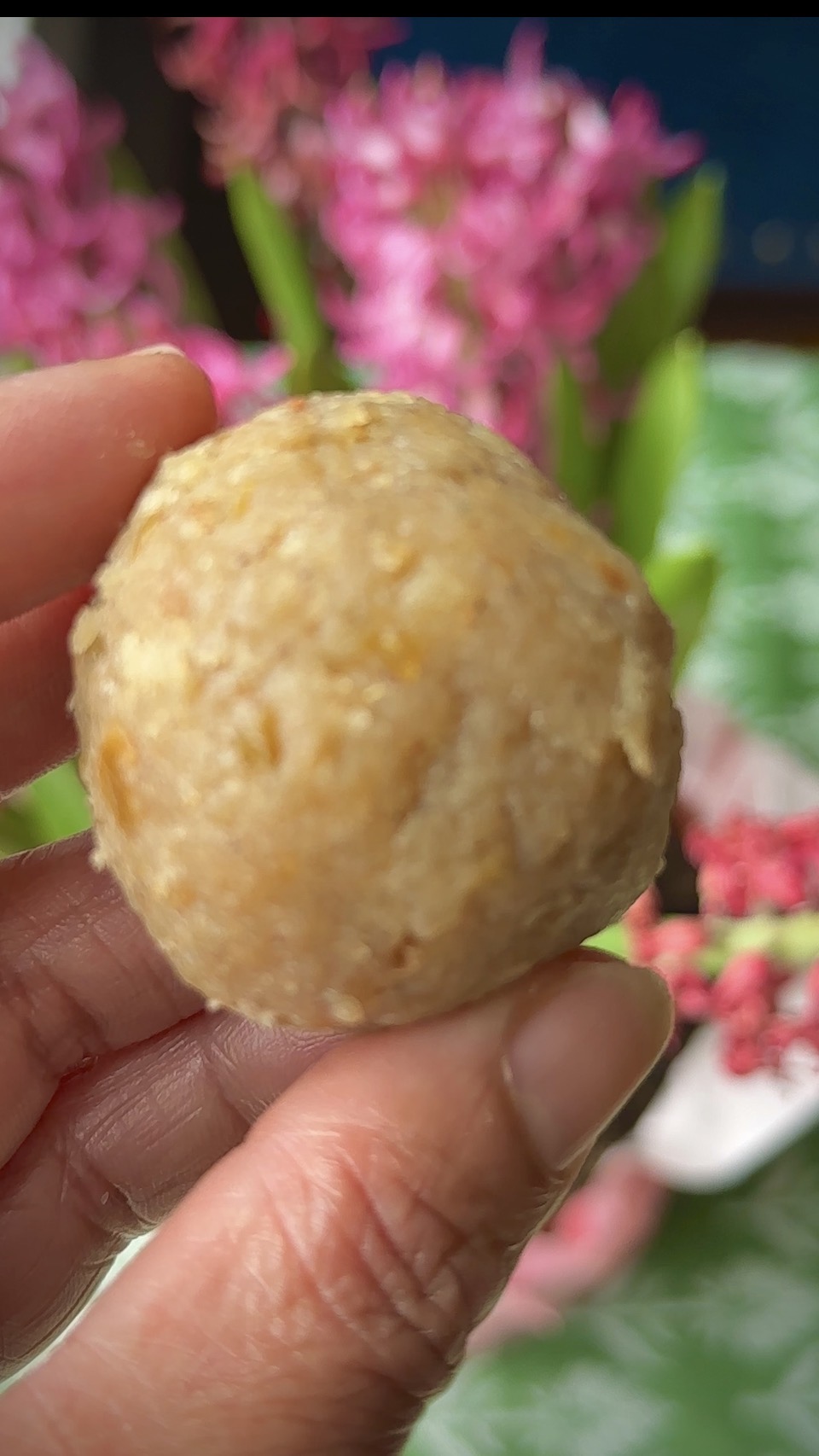
Recipe Card: Malida (Maleeda / Maleedaa)
Equipment
- Food processor
Ingredients
- 12 oz paratha roti about 2 small rotis
- 1 tablespoon sugar
- 1 teaspoon ground cardamom start with 1/2 tsp and increase as required
- 1 teaspoon ground cinnamon scant –or start with 1/2 tsp and increase as required
- 6 tablespoons condensed milk or as needed
- 1/4 cup raisins 4 – 6 tablespoons, dark or light raisins
- 1 tablespoon melted butter
Instructions
- Prepare the paratha: Make the paratha using my paratha recipe (link here), then reserve one while still hot specifically for this malida.

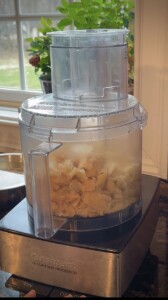
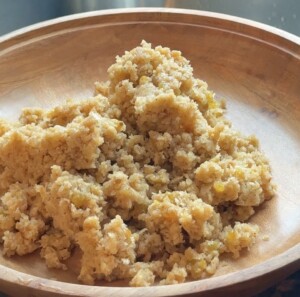
- Process the paratha: Break the hot paratha into chunks and place in a food processor. Pulse on high until a fine, even crumb forms. The texture should be soft and uniform, not coarse.

- Add the butter: With the crumbs still in the processor, drizzle in the melted butter and pulse briefly to coat the crumbs evenly.

- Incorporate the dry ingredients: Add the raisins, sugar, ground cardamom, and cinnamon. Pulse again until everything is well distributed. If you prefer a smoother texture, allow the raisins to break down slightly as you process.

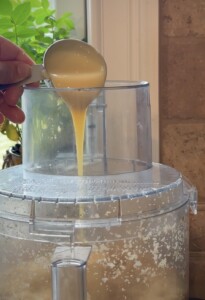
- Add the condensed milk: With the processor running on low or in short pulses, add the condensed milk gradually. Stop and check the texture as you go. The mixture should begin to clump together and hold when pressed. The condensed milk acts as the binding agent, so avoid adding too much at once.

- Check the texture: The mixture should feel slightly moist but not sticky or wet. If it feels dry, add a small amount of condensed milk and pulse again.

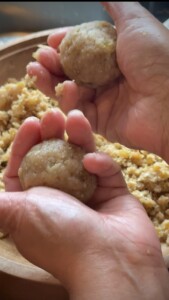
- Shape the malida: Scoop a small portion (tennis ball size or smaller) and roll gently between your fingers until smooth. Repeat with the remaining mixture.

- Form into 8 – 12 balls

Notes
Nutrition
Frequently Asked Questions
What is malida made of?
Malida is made from finely processed roti combined with condensed milk, sugar, spices, and raisins.
Can I crumble roti by hand?
No. For the proper texture, the roti should be processed in a food processor.
Is malida very sweet?
No. This version is lightly sweet, with condensed milk acting mainly as a binding agent.
Can I make it ahead?
Yes. Malida can be made a day or two in advance and stored properly.
⭐ Did You Make This Recipe?
If you tried this recipe, please leave a ⭐⭐⭐⭐⭐ rating on the recipe card — ratings help more readers discover my recipes and support the work I put into creating them.
You can also leave a review or any questions or recipe requests in the comments below. I love hearing from you and I’m always happy to help!
And when you share your photos, don’t forget to tag me @cookingwithria on Instagram or @trinicookingwithria on Facebook so I can celebrate your beautiful creations!
📩 Subscribe & Get My Free Green Seasoning Booklet
If you enjoy recipes like this Caribbean Green Seasoning and want more Caribbean-inspired dishes, practical cooking tips, and Sunday Lunch stories delivered straight to your inbox, be sure to subscribe.
When you join, you’ll receive my free Green Seasoning Booklet — a true Caribbean kitchen essential that adds depth, flavor and confidence to so many of our traditional dishes. It’s the base of countless meals in my kitchen, and once you start using it, you’ll understand why.
Shop My Kitchen Favorites on Amazon
These are the trusted tools and pantry staples I use in my own kitchen — the ones that make Caribbean cooking easier and more enjoyable.
From my go-to seasonings to the heavy-bottom pots and pans I cook Sunday Lunch in every week, these essentials help bring Caribbean meals together with confidence and consistency.
Recent Posts
- Easy Caribbean Curry Chicken for Beginners (Small-Batch Recipe)
- What to Eat and Do in Sint Maarten and Saint Martin: Our Week in Paradise
- Caribbean Stewed Cannellini Beans
- Easy Spicy Chow Mein Recipe for Two (Ready in 20 Minutes)
- How to Cook Pumpkin with Mixed Seafood Recipe (Trinidad Pumpkin Talkarie)