Trinidad Garlic Pork — A Christmas Tradition Rooted in Memory
Trinidad Garlic Pork carries the unmistakable spirit of a Trinidad Christmas. The sharpness of vinegar, the warmth of garlic, the perfume of thyme and bandhania — all of it signals the start of the holiday season long before the table is fully set.
Table of Contents
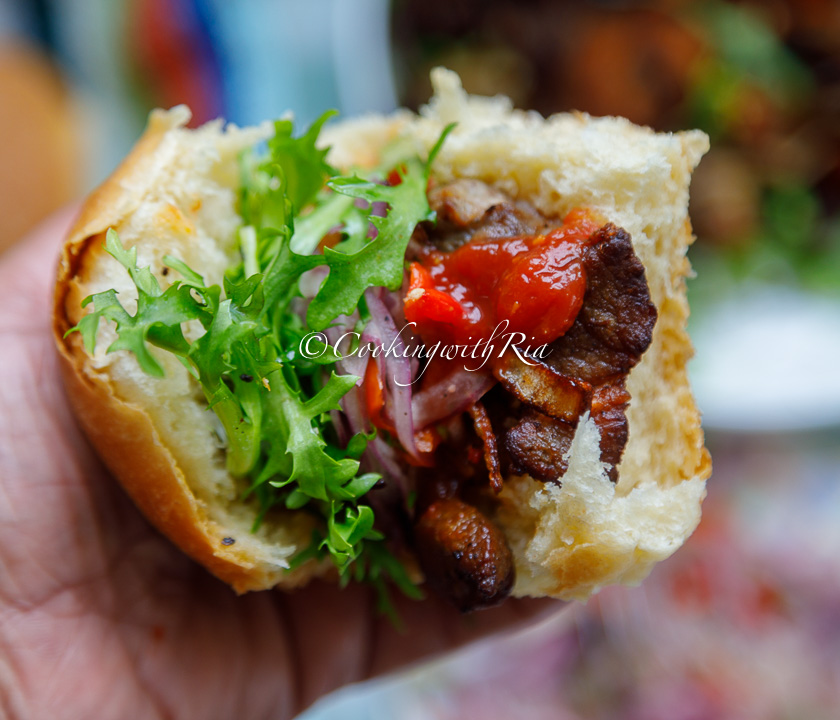
This is not an everyday dish, and every home cook has their own variation. It’s prepared with intention — marinated patiently and fried when company is near or when the house is already alive with conversation. Garlic pork isn’t meant to replace the Christmas meal; it complements it. Enjoyed throughout the holiday season at family gatherings, friendly limes, and casual get-togethers, it’s eaten at breakfast, grabbed between visits, tucked into hops bread, or nibbled while people talk, laugh, drink, and reminisce. Garlic pork truly brings the spirit of the season to life — nothing says it better.
It’s bold, nostalgic, and deeply tied to how many of us remember Christmas in Trinidad.
Why You’ll Love This Trinidad Style Garlic Pork
- Deeply seasoned and bold: Vinegar, garlic, herbs, and heat work together to create a flavor that’s sharp, savory, and unforgettable.
- Rooted in tradition: This dish reflects how garlic pork is actually prepared and enjoyed in Trinidad homes.
- Make-ahead friendly: Marinate days in advance so frying is quick and easy when you’re ready to serve.
- Customizable texture: Thick cuts stay juicy and meaty; thinner cuts fry up crisp and crunchy.
- Perfect for holidays and limes: Ideal for Christmas, family gatherings, or any time you want something special.
Ingredients You Will Need for Trinidad Style Garlic Pork
- Pork (skin-on preferred): Skin and fat help keep the meat juicy during frying.
- Garlic: The backbone of the dish — sliced or crushed for bold flavor.
- Onion: Adds sweetness and depth as it fries.
- Hot pepper: Adjust to taste, from subtle heat to bold spice.
- Bandhania (culantro): Essential for authentic Trinidad flavor.
- Thyme: Fresh sprigs or thyme leaves add aroma and balance.
- Oregano: Rounds out the sharpness of the vinegar.
- Black pepper & peppercorns: Warm spice and gentle bite.
- Salt: Enhances all the flavors.
- Vinegar: Key to tenderizing, preserving, and defining garlic pork.
- Oil for frying: A neutral oil that can handle high heat.
How to Clean and Prep the Pork
Start by rinsing the pork with cold water with lime juice or vinegar to remove any freshness. If there are fine hairs on the skin, carefully burn them off over an open stovetop flame.
Cut the pork into pieces based on your preferred texture:
- Thicker cuts for juicy, meatier bites
- Thinner cuts for crispier, crunchier edges
Pat the pork dry before seasoning to help the flavors cling properly.
How Trinidad Style Garlic Pork Is Traditionally Marinated

Once seasoned with garlic, herbs, pepper, and aromatics, the pork is placed in a glass container and submerged in vinegar. This marinating process does more than add flavor — it tenderizes the meat and preserves it, which is why garlic pork is closely associated with Christmas preparation.
Marinating times vary by household:
- A shorter soak produces a brighter, sharper flavor
- A longer soak creates deeper seasoning and a more tender texture
There’s no single “correct” method — tradition and personal taste guide the process.
Frying Trinidad Style Garlic Pork for the Best Results

Before frying, the pork must be drained very well. Excess vinegar prevents browning and causes splattering.
Fry the pork in hot oil in batches, making sure not to overcrowd the pan. Allow each piece to develop a golden crust before turning. Over-frying will dry out the meat, so remove it as soon as it reaches a rich golden color.
Many cooks also fry the sliced onions and hot peppers along with the pork for added texture and flavor. These should be watched closely, as they can burn quickly.
A Personal Note on Trinidad Style Garlic Pork

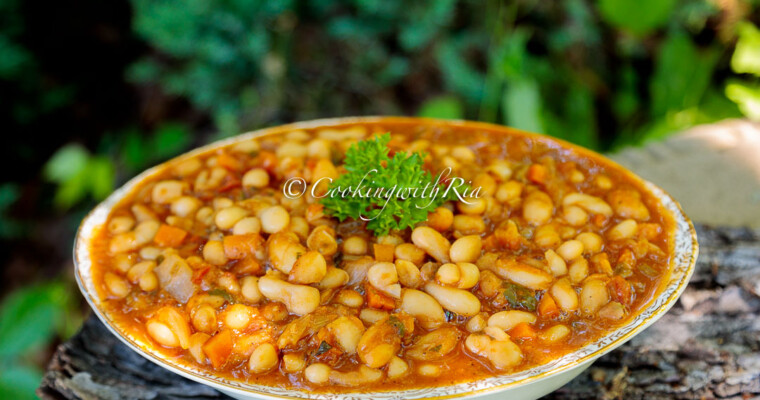
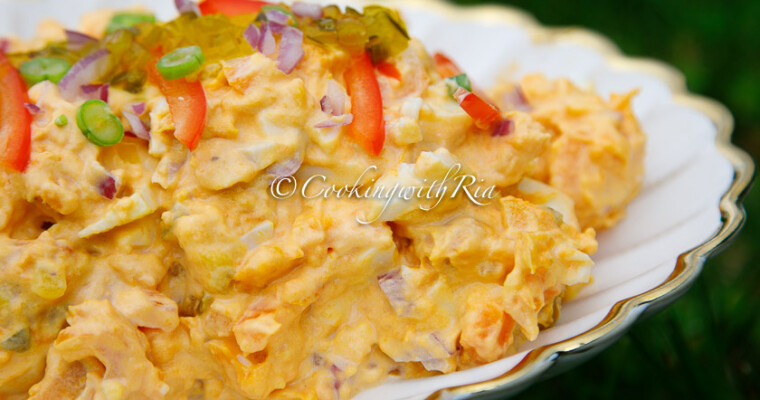
For many of us, Trinidad Style Garlic Pork isn’t just food — it’s memory, identity, and a deep sense of home. My nana reared pigs for meat for sale and black pudding, so pork was always central to our holiday table. Christmas Day meant stewed pork, beef, and chicken, served with callaloo, stewed red beans, macaroni pie, potato salad, boiled plantain and boiled ground provisions.
Garlic pork was never the centerpiece. It was the little extra — enjoyed as cutters, a snack or appetizer, usually tucked into warm hops bread and eaten in between visits and conversations. Those are the moments I still associate with it most.
Trinidad Style Garlic Pork — A Dish Worth Preserving
Trinidad Style Garlic Pork is more than a recipe. It’s a reminder of how food carries culture, memory, and tradition forward. Prepared slowly, shared casually, and remembered long after the holidays pass, it remains one of the most meaningful dishes on the Trinidad Christmas table.
Serving Trinidad Style Garlic Pork
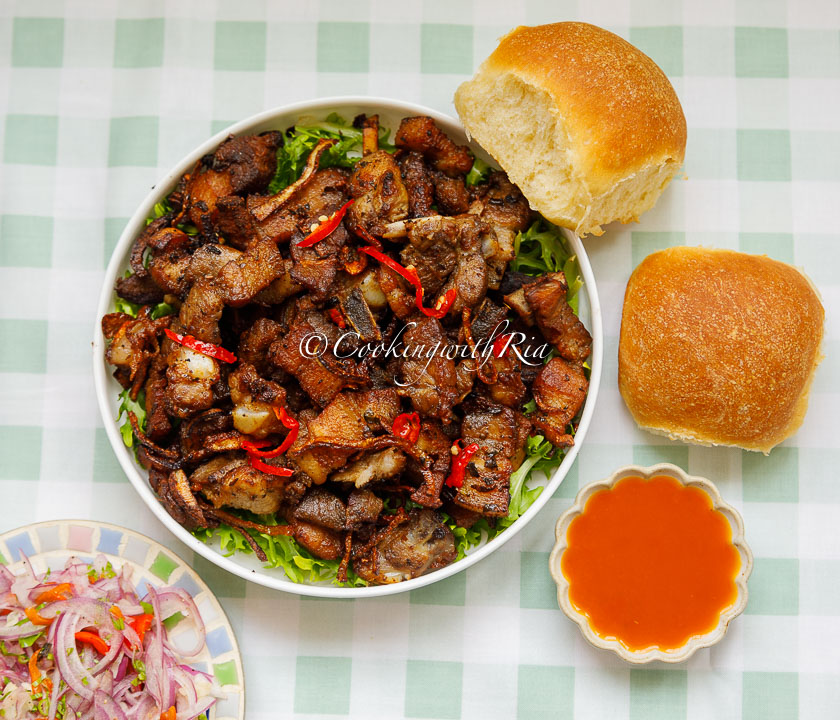
Garlic pork is rarely served on its own. It shines alongside foods that balance its boldness:
- Hops bread and Chip Up – Onion, Pepper and Lime Pickle
- Homemade bread loaves
- Fry bake
- Dhal and rice
- Stewed beans (or Instant Pot Stewed Red Beans) and rice
- Fried rice or lo mein
- Your full Christmas menu (ham, pastelles, pies, gratins)
It’s a versatile dish that elevates any table from casual Sunday eating to full holiday celebrations.
Health & Nutrition
- High in protein and iron, which support energy and muscle health.
- Vinegar naturally tenderizes the meat and adds tang without added sugar.
- Garlic offers anti-inflammatory and immune-supportive benefits.
- If you’re watching sodium, reduce added salt slightly — vinegar and herbs bring lots of flavor on their own.
- Works for low-carb diets, keto-friendly meals, and high-protein lifestyles.
Frequently Asked Questions About Trinidad Style Garlic Pork
Why does the pork change color while marinating?
Vinegar naturally “cures” the pork, causing it to lighten in color as it sits. This is completely normal and expected, and it does not affect safety or flavor. This curing effect is part of what gives Trinidad Style Garlic Pork its distinctive taste.
How long should Trinidad Style Garlic Pork be marinated?
A minimum of one day is recommended so the garlic and herbs have time to penetrate the meat. Many families prefer two to three days for deeper flavor. Longer marinating produces a more intense, slightly cured taste, which comes down to personal preference.
Should the pork be rinsed after marinating?
No. The pork should be drained well, not rinsed. Rinsing removes the seasoning that defines the dish. Proper draining removes excess vinegar while keeping the flavor intact.
What is Portuguese thyme, and why is it recommended for this recipe?
Portuguese thyme (Thymus carnosus or Thymus mastichina) is a bold, aromatic herb sometimes called “green salt” because it naturally intensifies flavor. It has small, dark leaves and a fresh, minty, slightly camphor-like aroma that holds up well in vinegar-based marinades.
In Trinidad Style Garlic Pork, Portuguese thyme complements garlic, vinegar, and bandhania beautifully. Its flavor sits between fine-leaf thyme and oregano — stronger than regular thyme, but smoother and less sharp than oregano. If it isn’t available, fine-leaf thyme or a combination of thyme and oregano works very well.
Can I use regular thyme or oregano instead?
Yes. Fine-leaf thyme is the closest substitute. Oregano can also be used, or a blend of the two to mimic the depth Portuguese thyme provides.
Should Trinidad Style Garlic Pork be shallow-fried or deep-fried?
Traditionally, Trinidad Style Garlic Pork is fried in a shallow layer of oil, which allows the pork to brown evenly while staying juicy inside. This method also makes it easier to control doneness and prevent the meat from drying out.
That said, deep frying also works well, especially when cooking larger batches. The key is to avoid over-frying, regardless of method, and remove the pork once it reaches a rich golden color.
Why is Trinidad Style Garlic Pork fried instead of stewed?
Frying creates the signature contrast of crisp edges and tender meat. Stewing would soften the texture and change the character of the dish.
How do I prevent the pork from becoming dry or tough?
Use the correct oil temperature and avoid over-frying. Once the pork turns golden brown, remove it from the oil. Using thicker cuts also helps keep the meat juicy.
Can I make Trinidad Style Garlic Pork ahead of time?
Yes. The pork can be marinated several days in advance and fried shortly before serving. Leftovers reheat well and often taste even better the next day.
How should leftovers be stored and reheated?
Store leftovers in an airtight container in the refrigerator for up to 3–4 days. Reheat in a skillet over medium heat or in the oven to maintain texture. Avoid microwaving if possible, as it softens the crisp edges.
Can Trinidad Style Garlic Pork be frozen?
It’s best to freeze the pork after frying, not in the vinegar marinade. Fried garlic pork freezes well for up to 2 months. Reheat in the oven or air fryer for best results.
What if the garlic pork tastes too sharp or acidic?
If the vinegar flavor feels strong, allow the pork to drain longer before frying, or lightly simmer the drained pork for a short time before frying. This softens the acidity without removing the seasoning.
What cut of pork works best for Trinidad Style Garlic Pork?
Pork shoulder or picnic-style cuts work best because they have enough fat to stay juicy during frying. Pork belly is also an excellent option if you enjoy richer, more succulent pieces.
You can ask your butcher to cut a pork shoulder into about 2-inch pieces, or cut them thinner or thicker based on preference. Thinner slices fry up faster and become crispier, while thicker pieces stay juicier and more meaty.
If a butcher isn’t available, skin-on pork chops from the supermarket can also be cut up and used successfully. The key is choosing cuts with some fat and avoiding very lean pork, which can become dry after marinating and frying.
What if I’m using larger or thicker cuts of pork?
If you’re working with larger, thicker cuts-larger than in the pic above-2-3 inches, it helps to pre-cook the pork after marinating. Once the pork has finished marinating, drain it well and place it in a pot with about 1 inch of water. Cover and cook over medium heat for 20–30 minutes, allowing the pork to steam and soften.
After pre-cooking, drain off any remaining liquid, then proceed with frying until the pork is golden brown. This extra step ensures thicker pieces cook through evenly and stay tender on the inside while still getting nicely crisp when fried.

Garlic Pork (Trinidad-Style)
Ingredients
- 2 lbs pork preferably with skin on, cut into medium pieces (shoulder cut into pieces, or pork belly sliced into 1/2 inch thickness or smaller)
- ½ red onion or regular onion, sliced
- 1 – 2 heads garlic or per your liking, peeled and sliced, crushed or blended
- Hot pepper to taste, 1 – 4, any variety – habanero, wiri wiri. ,scotch bonnet, chopped, mashed or blended with garlic and bandhania(aka culantro/shado beni)
- 6 – 10 leaves bandhania aka culantro, chopped, crushed or blended with garlic and hot pepper
- 1 tbsp peppercorns optional
- 1 tsp black pepper
- 1 tbsp Himalayan salt or table salt or to taste
- 1 tbsp dried oregano or 2 tbsp fresh chopped
- 2 tbsp thyme leaves or 10 sprigs thyme rub thyme leaves to release aroma (preferably Portugese thyme leaves)
- Juice of 1 lime or vinegar for rinsing
- 2 cups vinegar for marinating
- Oil for frying
Instructions
- Clean the Pork: Rinse pork with lime juice or vinegar; burn off any fine hairs over an open flame if needed.
- Season the Pork: Add onions, garlic, hot pepper, bandhania, peppercorns, black pepper, salt, oregano, and thyme. Mix well.
- Marinate: Transfer to a glass jar or bowl. Pour in vinegar. Cover tightly and refrigerate 1–3 days.
- Drain: Pour into a colander and discard liquid. Drain well.
- Fry: Heat oil in a large frying pan or heavy bottomed pot. Add pork in a single layer and fry until golden brown. Flip or deep-fry as desired. Do not over-fry.
- Optional Aromatics: Fry the onions and peppers until crisp but not burnt for additional flavor and texture.
Notes
Nutrition
⭐ Did You Make This Recipe?
If you tried this recipe, please leave a ⭐⭐⭐⭐⭐ rating on the recipe card — your ratings help more readers discover my recipes.
You can also leave questions or recipe requests in the comments.
Tag me @cookingwithria on Instagram or @trinicookingwithria on Facebook — I love celebrating your beautiful creations!
💬 Questions, Concerns, or Recipe Requests — Write Me!
If there’s a dish you’ve been searching for and would love to see me make, leave a comment or write me anytime at [email protected].
Subscribe & Get My Free Green Seasoning Booklet
Stay connected with me and never miss a new recipe, Sunday Lunch idea, or holiday guide!
By subscribing, you’ll get my FREE Green Seasoning Booklet, packed with tips to bring real Trinidad flavor to your kitchen.
Shop My Kitchen Favorites on Amazon
Curious about the tools, pots, and gadgets I use every day?
From my favorite non-stick pans to measuring cups and kitchen essentials, you can explore them all in one place in my curated Amazon storefront.
Recent Posts
- Easy Caribbean Curry Chicken for Beginners (Small-Batch Recipe)
- What to Eat and Do in Sint Maarten and Saint Martin: Our Week in Paradise
- Caribbean Stewed Cannellini Beans
- Easy Spicy Chow Mein Recipe for Two (Ready in 20 Minutes)
- How to Cook Pumpkin with Mixed Seafood Recipe (Trinidad Pumpkin Talkarie)