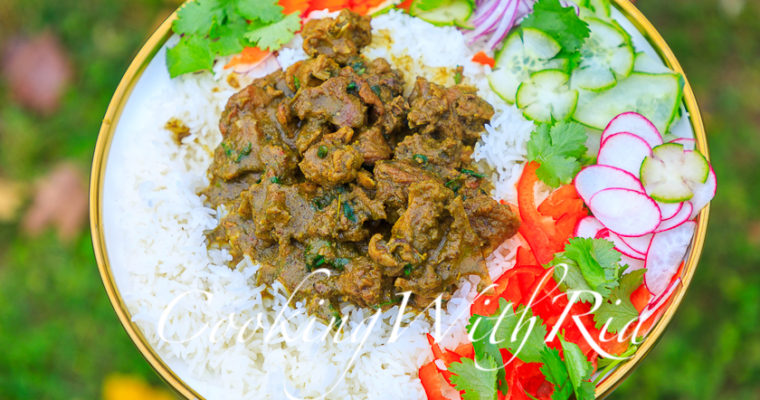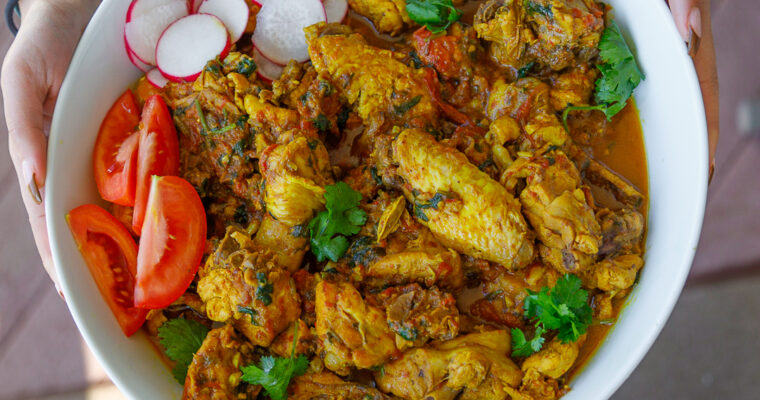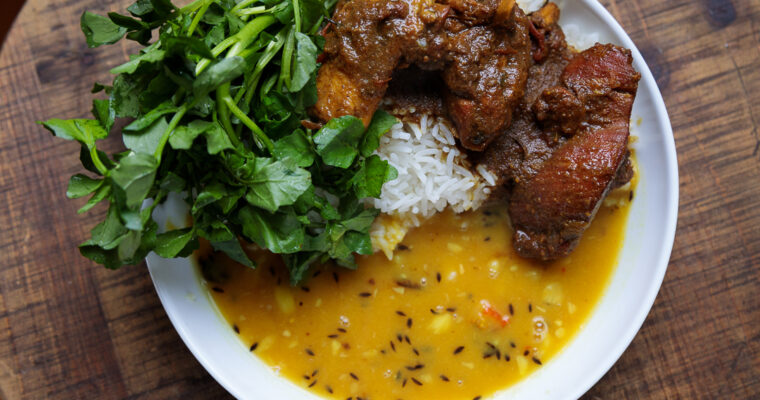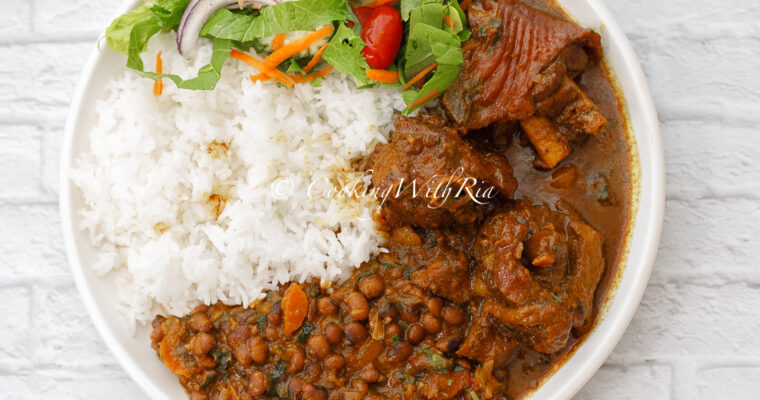
Back in Trinidad, as a young girl, Saturdays with my dad unfolded in a way so familiar that I never questioned it — I simply moved within it.
Table of Contents
We would set out early, driving into the nearest town, Couva, where he went to take care of his errands, the journey unfolding along one long road that required no navigation, no expertise — only forward motion.
I remember the sequence of what we passed more than the distance itself.
The sugar cane fields came first — tall and swaying, their green blades catching the morning light as we drove by.
Then the line of palm trees at the cross — a familiar marker that told me how far along we were without anyone having to say a word.
Right there at the cross stood the oyster vendor, selling oysters with sauce — a small roadside ritual that felt as much a part of the day as the errands themselves.
Further along, Chin’s Supermarket came into view, followed some distance away by the convent — the high school I would attend several years later, though at the time it was simply another building along the road, holding no meaning yet.
All of it existed as quiet visual markers of the drive — not destinations in themselves, but part of the unfolding of the morning.
Somewhere along that stretch of errands, there was always one stop that felt different to me.
The Chinese mart.
Sometimes we ate right there in the establishment itself. There was only one table and a single bench for the entire place — nothing elaborate, nothing designed for comfort — just functional seating tucked into the corner of a busy shop.
My father would place the market items beside us, packed into the woven market bags my mother had sent him with earlier that morning.
I remember sitting across from him, my legs barely reaching the floor, my attention pulled upward toward the high counter. I would strain to peek over it, trying to see what sat behind the glass food cabinet — trays of prepared dishes glistening under the light.
I didn’t yet know the names of everything I was looking at, but I remember the variety.
Hops bread filled with cheese.
Channa.
Stewed chicken.
Chow mein — a simple vegetable stir-fry.
And sometimes — stewed or curried gizzards.
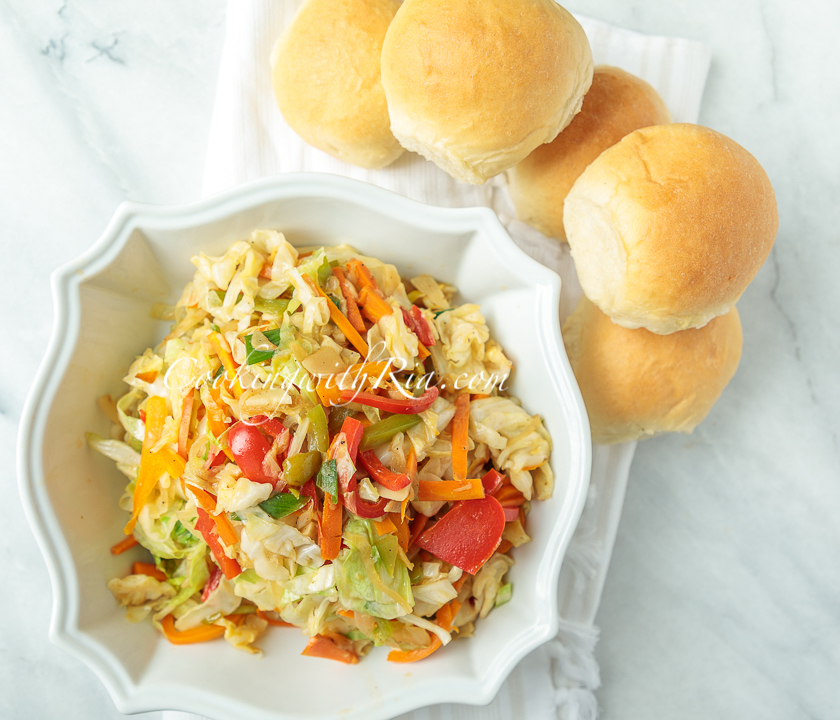
There were always options.
But my father gravitated toward the gizzards.
He would sit across from me, tearing into the hops bread, chewing slowly, contentedly — those chewy gizzards tucked inside, seasoned and sauced, his clear favorite.
At the time, I didn’t think of it as influence or inheritance.
I simply ate what he shared.
From him, I learned to love gizzards — and they have remained a favorite of mine since childhood, most likely rooted in those quiet Saturday stops and the food we shared there.
He would follow his sandwich with a bottle of seamoss.
I usually leaned toward the peanut punch. I loved milk. I loved peanut butter. So that drink — thick, nutty, sweet — felt like heaven to me.
We ate without ceremony, without lingering conversation — just the comfortable silence of shared presence.
And when we were done — bellies filled, paper wrappings crumpled and tossed into the garbage — we gathered the market bags and headed off to the next stop on his list.
And then, on our way back home, we would sometimes stop again at the cross. The oyster vendor would still be there. He served the oysters in a small drinking glass, coated in that ketchup-based oyster sauce — sharp, tangy, unmistakable.
I would always help Daddy finish his, standing beside him, sharing from that same little glass, the road stretching quietly behind us.
It was all so ordinary then.
Errands. Food. A bench. A drink. A long road.
But memory has a way of returning to the smallest scenes and illuminating their weight.
These days with my dad were deeply memorable, and I miss his presence in my life dearly.
February 7 made it 34 years since he passed.
And somehow — without planning it, without even realizing the date at the time — I found myself making this curry gizzard on that very day.
It wasn’t until a few days later, as I sat down to write this post, that the memory surfaced fully.
What felt like an ordinary cooking decision revealed itself as something else entirely — an unconscious act of remembrance that only made sense in reflection.
And so, standing in my kitchen today, cleaning and seasoning gizzards, it doesn’t feel like novelty.
It feels like continuation.
Like returning to something familiar… something handed down not through instruction, but through presence.
The Present-Day Return
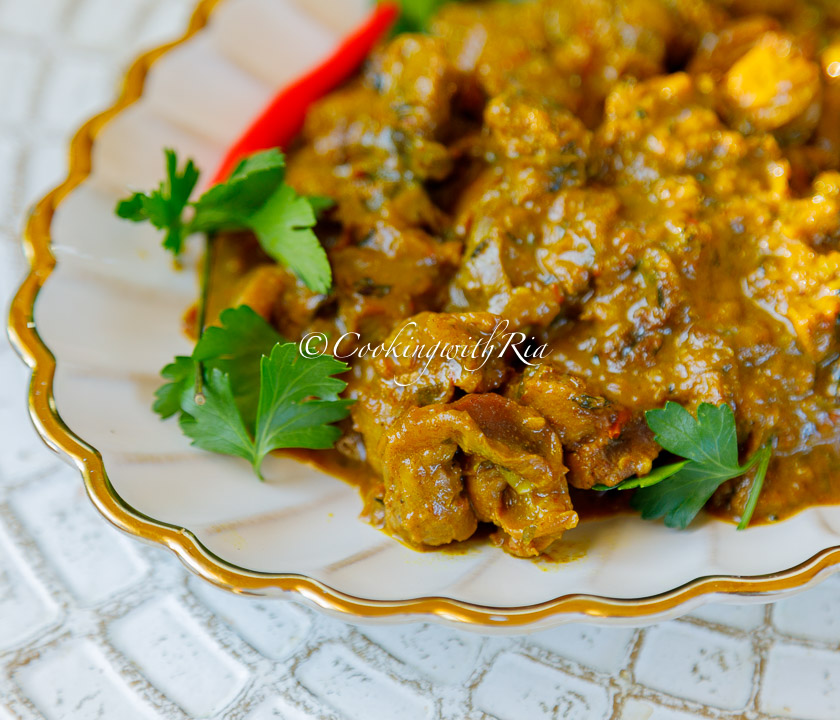
I already have a stewed gizzard recipe on the blog, so the natural progression was always to develop a curry gizzard version.
I hadn’t planned to do so now — but this winter has been brutal.
The kind of cold that presses you toward foods that restore rather than simply satisfy.
For the past two months, I’ve leaned heavily into nutrient-dense meals:
Vitamin D supplements, canned salmon with tomatoes and paratha, hot cocoa tea, steamed mackerel (recipe coming soon), sardine choka, canned sardines with tomatoes, curry canned sardine with potatoes, masala chai, liver with onions, hot fish broth, chicken soup, pan coconut bread with fry saltfish(sauteed buljol), butter or cheese, banana bread or muffins with all those leftover bananas, lemon blueberry cake, and homemade baking-pan bread.
Gizzards — deeply nourishing and iron-rich — fit naturally into that winter rotation.
If you’re feeling run down or depleted, this dish may be exactly what your body is asking for.
Ingredients You Will Need
Chicken Gizzards — Hearty, iron-rich protein that becomes tender when slow-cooked.
Green Seasoning — Herbal backbone of Caribbean flavor.
Curry Powder — Signature warm spice blend.
Turmeric Powder — Adds earthy depth and golden color.
Onion — Builds sweetness in the curry base.
Plum Tomato — Balances spices with acidity.
Garlic — Deepens savory notes.
Hot Pepper — Adds heat to taste.
Poran (Geera Seeds) — Nutty toasted spice enhancer.
Thyme — Earthy herbal layer.
Scallion or Culantro — Fresh aromatic finish.
Roasted Ground Cumin — Warm finishing spice.
Olive Oil — For blooming spices.
Salt & Black Pepper — Foundational seasoning.
Water — For simmering.
Lime / Lemon / Vinegar — For cleaning gizzards.
How to Clean / Prep the Gizzards
Remove the yellow skin from the surface of the gizzards. Cut into ½–1 inch pieces. Soak 15 minutes in water with lime, lemon, or vinegar juice. Rinse thoroughly with clean water and drain well before seasoning.
Flavor Profile
Rich, earthy, and warmly spiced with deep curry undertones and tender, slow-simmered texture.
Health & Nutrition
Gizzards are rich in iron, zinc, B12, and protein — making them deeply restorative, especially in colder months when the body craves nutrient density.
Serving Suggestions
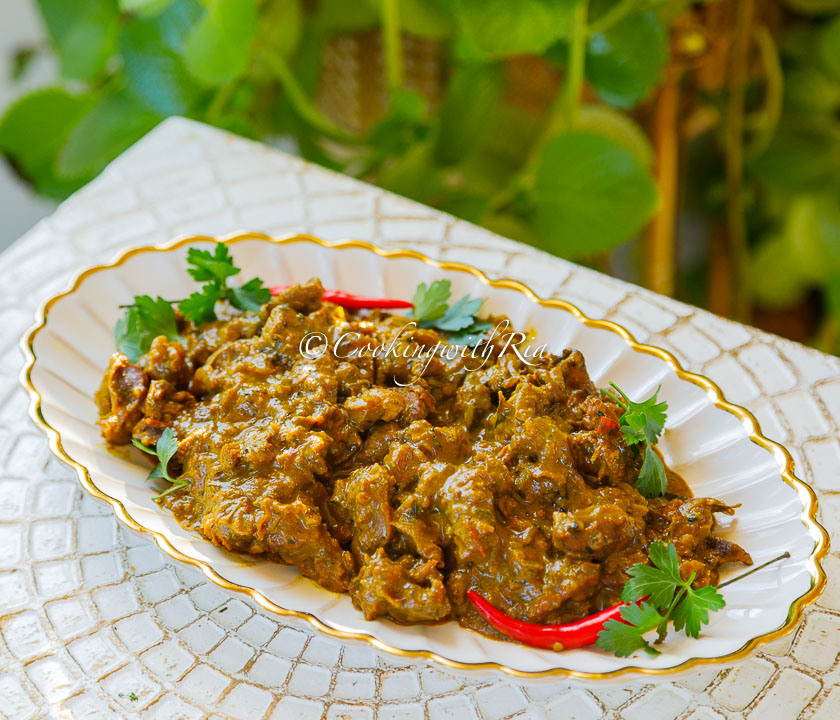
Perfect alongside or tucked into:
- Store-bought sandwich bread
- Hops bread
- Homemade bread
- Sada roti
- Dosti roti
- Paratha roti (Buss-Up-Shut)
- Dhalpuri roti
- Aloo roti or aloo puri (fried version)
- Fry Bake
- Dhal and rice
- Stewed red beans and rice
- Cassava oil down
- Breadfruit oil down
- Boiled ground provisions
- Pita bread
Storage & Reheating
Refrigerate:
Store in an airtight container in the refrigerator for up to 4 days. Flavors continue to deepen overnight, making leftovers even more flavorful.
Freeze:
Freeze in freezer-safe containers or portioned bags for up to 3 months. Thaw overnight in the refrigerator before reheating for best texture.
Reheat:
Microwave — Heat covered in intervals, stirring between each round to ensure even reheating and prevent drying.
Stovetop — Place in a saucepan with a small splash of water. Cover and warm over medium-low heat, stirring occasionally until heated through.
Frequently Asked Questions — Curry Gizzard
How do I tenderize gizzards faster?
Gizzards are naturally firm because they are working muscles. To speed up tenderizing, you can pressure cook them for 20–25 minutes before adding them to the curry. This reduces stovetop simmering time while still allowing them to absorb seasoning fully.
Do gizzards become soft or remain chewy?
When cooked properly, gizzards should be tender with a slight bite — not rubbery or tough. Slow simmering, steaming in their own juices, or pressure cooking are the most reliable methods for achieving the right texture.
Is cleaning really necessary?
Yes — proper cleaning is essential for both flavor and freshness. Removing the yellow lining and soaking the gizzards in lime, lemon, or vinegar water helps eliminate odor and residue, resulting in a cleaner taste.
Do gizzards taste gamey?
Not when cleaned and seasoned properly. They absorb curry, green seasoning, and aromatics beautifully, resulting in a rich, savory flavor rather than a strong or unpleasant taste.
Where can I buy chicken gizzards?
Chicken gizzards are widely available in most supermarkets, typically sold in the poultry section near chicken livers, hearts, and feet. You can also find them at Caribbean, Latin, and Asian markets, where offal cuts are more commonly stocked. Local butchers often carry them as well — and you can request specific quantities if needed.
How do I choose good-quality gizzards?
Look for gizzards that are firm, plump, and deep reddish in color — not pale or grey. They should have little to no odor and be free from excessive slime. If buying frozen, ensure the package is well sealed with no signs of freezer burn. Fresh, properly stored gizzards yield the best texture and flavor once cooked.
How should I store raw gizzards?
Store raw gizzards in the coldest part of your refrigerator and use within 1–2 days of purchase. If not using immediately, freeze them in airtight freezer bags for up to 3–4 months. Proper storage preserves both freshness and texture.
Can I substitute turkey gizzards?
Yes — turkey gizzards can be used, but they are larger and tougher than chicken gizzards. They require longer cooking time to become tender but absorb seasoning just as well.
Do gizzards shrink when cooked?
Yes — like most proteins, gizzards shrink slightly during cooking as moisture releases. This is completely normal and expected.
Is poran (geera seeds) necessary?
Poran is optional, but it adds a toasted, nutty depth that enhances curry dishes. If unavailable, the recipe will still be flavorful without it.
Why cook the curry until grainy?
Cooking the curry powder until it becomes grainy and fragrant removes the raw spice taste and develops the authentic depth expected in Caribbean curry dishes.
Can I make this dish dry instead of saucy?
Yes. Simply allow the liquid to reduce fully until the curry clings to the gizzards for a thicker, dry-style finish.
Are chicken gizzards healthy?
Very much so. Gizzards are rich in protein, iron, zinc, and vitamin B12 — nutrients essential for energy, immune function, and red blood cell production.
Are gizzards high in cholesterol?
They are higher in cholesterol than standard chicken cuts, so moderation is key — especially for those monitoring cholesterol intake.
Do I need to boil gizzards before currying?
Not necessarily. This recipe allows them to tenderize directly in the curry. However, pre-boiling or pressure cooking is helpful if you want to shorten cooking time.
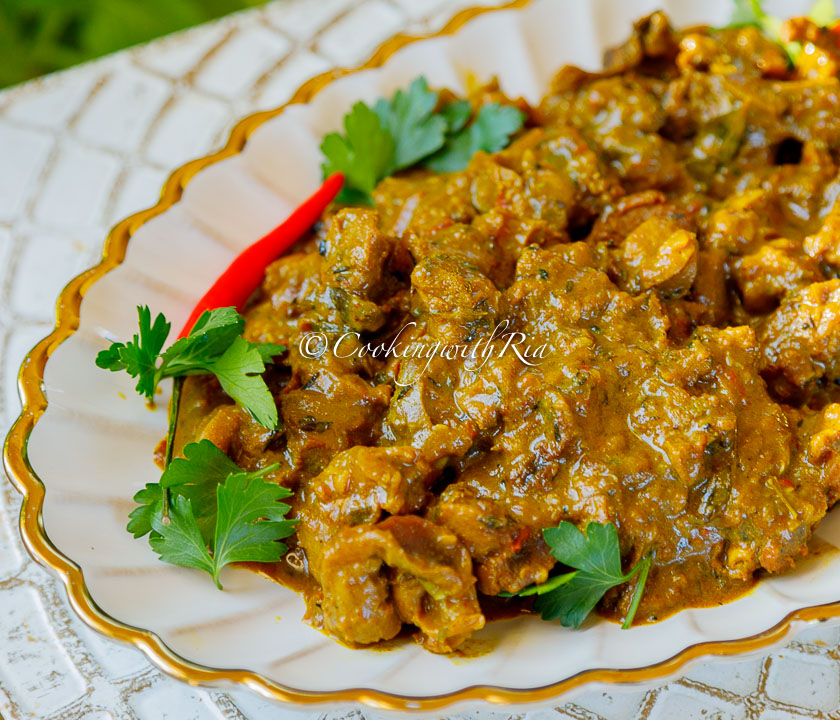
Curry Gizzard (Caribbean Style)
Equipment
- Heavy-bottom pot or Dutch oven — For even heat distribution
- Cutting board — For trimming and prep
- Sharp knife — For clean cuts
- Mixing bowl — For seasoning and marinating
- Wooden or metal spoon — For stirring curry base
Ingredients
- 1 lb chicken gizzards cleaned & cut
- 2 tbsp curry powder
- ½ tsp turmeric powder
- 3 tbsp green seasoning divided
- ½ onion sliced
- 1 plum tomato chopped
- Hot pepper to taste
- ¼ tsp poran or geera seeds, optional
- 1 tbsp thyme leaves or 3 thyme sprigs
- 1 scallion or 6 leaves culantro chopped
- 1 tbsp minced garlic
- 1 tsp salt
- ½ tsp black pepper
- 4 tbsp extra virgin olive oil
- ½ cup water
- 1 –2 cups water for sauce
- 1 tsp roasted ground cumin geera, to finish
Instructions
- Season & Marinate — Place cleaned gizzards in a bowl. Add 2 tbsp green seasoning, salt, and black pepper. Mix well to combine. Marinate a minimum of 30 minutes or overnight in a glass container in the refrigerator. Bring to room temperature before cooking.
- Bloom the Poran — Heat 4 tbsp olive oil in a medium heavy-bottom pot over medium heat. When the oil is hot, add the poran (geera seeds) and cook for about 1 minute, until the seeds begin to sizzle, lightly pop, and release their aroma.
- Build the Curry Base — Add the sliced onion and hot pepper and cook over medium heat until the edges are lightly browned. Stir in the curry powder, turmeric powder, 1 tbsp green seasoning, chopped tomato, minced garlic, and chopped scallion or culantro, mixing well to combine.
- Cook the Curry Properly — Add ½ cup water and continue cooking over medium heat, stirring continuously, until the curry becomes grainy, fragrant, and slightly pasty — about 5 minutes. This step removes the raw spice taste and develops depth.
- Add the Gizzards — Add the seasoned, room-temperature gizzards and mix well to coat in the curry base. Continue cooking over medium-high heat, stirring continuously, allowing the gizzards to sear lightly in the curry mixture.
- Steam in Its Own Juices — Cover the pot, reduce the heat to low, and cook for 30 minutes, checking every 5 minutes and draining the condensation from the lid back into the pot. Allow the gizzards to release and cook in their own natural juices.
- Develop the Sauce — Once the liquid has evaporated and the gizzards begin to lightly stick, add 1–2 cups water, depending on how much sauce you prefer. Cook for an additional 5–10 minutes over medium heat until the sauce thickens.
- Finish the Dish — Reduce the heat to low, taste, and adjust salt if required. Finish with roasted ground cumin and chopped culantro if using. Stir well, then remove from heat.
Nutrition
⭐ Did You Make This Recipe?
If you tried this Curry Gizzard, please leave a ⭐⭐⭐⭐⭐ rating on the recipe card — ratings help more readers discover my recipes and support the work I put into creating them.
You can also leave a review, share how you served it, or ask any questions in the comments below. I always love hearing how these dishes turn out in your kitchen.
And when you share your photos, don’t forget to tag me @cookingwithria on Instagram or @trinicookingwithria on Facebook — I truly enjoy seeing your beautiful creations.
💬 Questions, Concerns, or Recipe Requests — Write Me!
If you have any questions about this Curry Gizzard, or if there’s a dish you’ve been searching for and would love to see me make, please don’t hesitate to leave a comment below or reach out via email at [email protected].
Many of my favorite posts are inspired by your requests and kitchen stories — so don’t be shy. I’d love to hear from you!
📩 Subscribe & Get My Free Green Seasoning Booklet
If you enjoy recipes like this Curry Gizzard and want more Caribbean-inspired dishes, cooking tips, and Sunday Lunch stories delivered straight to your inbox, be sure to subscribe.
When you join, you’ll also receive my free Green Seasoning Booklet — a true Caribbean kitchen essential you’ll use again and again.
🤍 Shop My Kitchen Favorites on Amazon
Here are some of the kitchen tools, ingredients, and equipment I use regularly in my recipes — including items that make Caribbean cooking easier and more enjoyable.
Recent Posts
- Instant Pot Curry Lima Beans (Caribbean Style)
- Easy Caribbean Curry Chicken for Beginners (Small-Batch Recipe)
- What to Eat and Do in Sint Maarten and Saint Martin: Our Week in Paradise
- Caribbean Stewed Cannellini Beans
- Easy Spicy Chow Mein Recipe for Two (Ready in 20 Minutes)
Explore More Delicious Curry Recipes
-

Trinidad Curry Channa with Eggplant (No Pre-Boiling Method) — Perfect for Diwali
-

Curry Bodi and Aloo Recipe (Trinidad Curry Long Beans with Potato)
-

Sunday Lunch Week 37: Trinidad Chicken Roti – Finding Joy in the Chaos
-
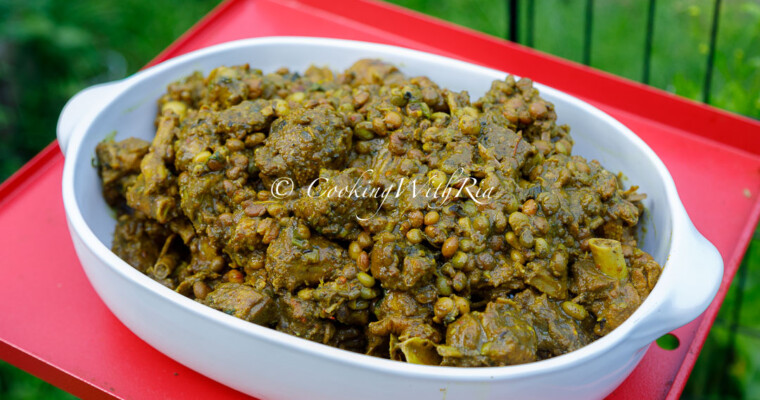
Curry Duck with Pigeon Peas
-
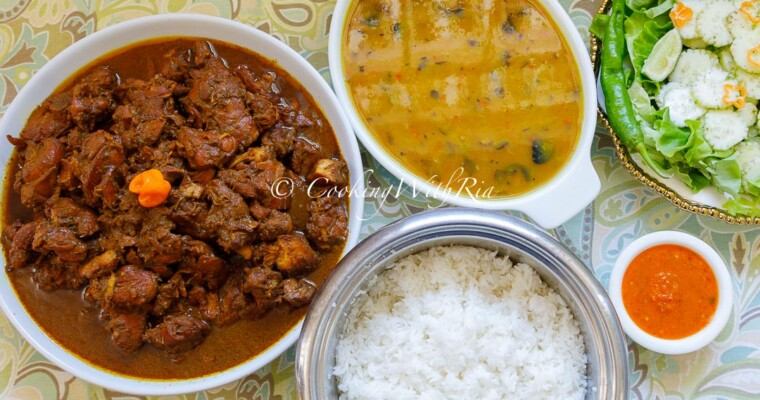
Sunday Lunch Week 35 : Curry Stew Chicken, Dhal & Curry Goat
-
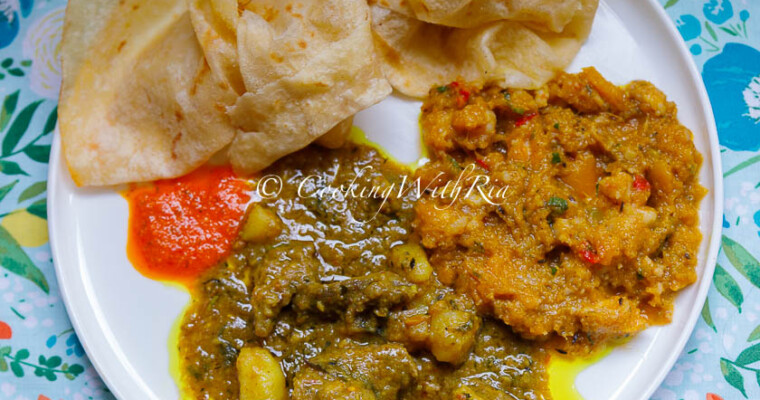
Sunday Lunch Week 34: Pumpkin with Shrimp, Curry Lamb, Dosti Roti & Paratha
-
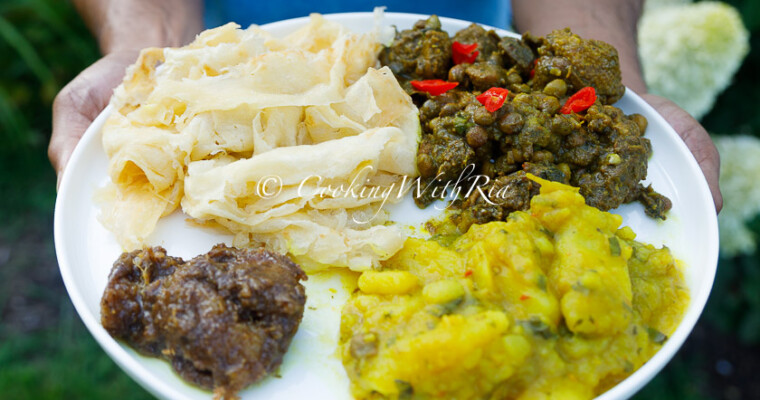
Sunday Lunch Week 32: Curry duck with pigeon peas, curry aloo, and paratha
-
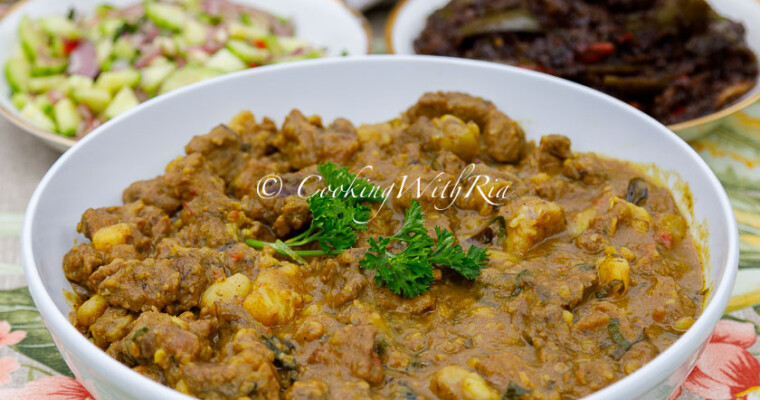
Curry Beef and Aloo (Trinidad-Style)
-
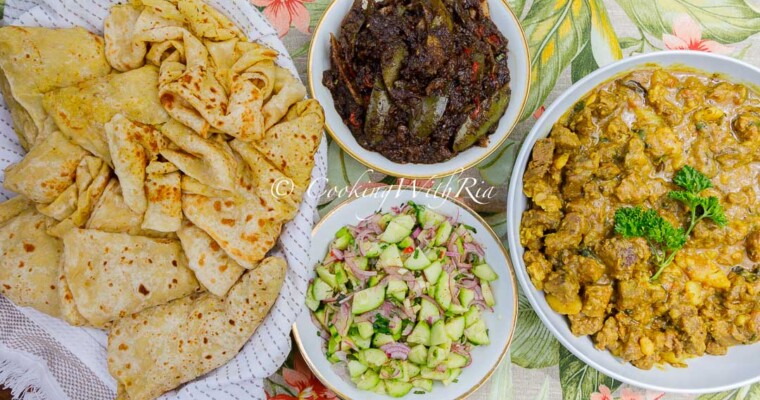
Sunday Lunch Week 28: Outdoor Trinidad Beef Roti with Mango Talkari, Dhalpuri & Salad
-
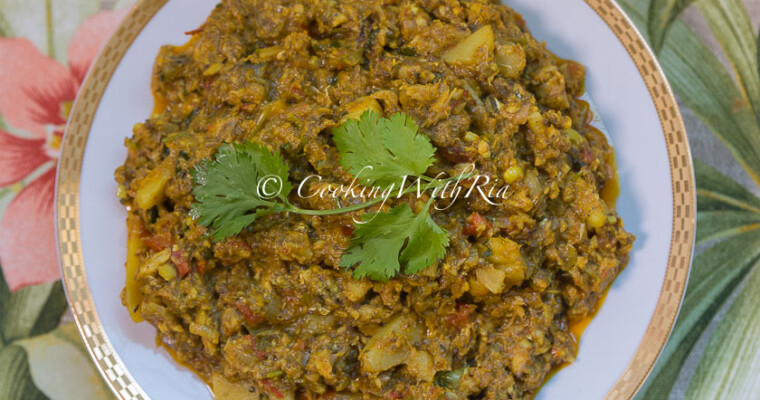
Curried Canned Sardines with Potatoes (Quick, Easy & Flavorful)
-

Sunday Lunch Week 26 – Simplicity, Chores, and Curry Chicken Before the 4th
-
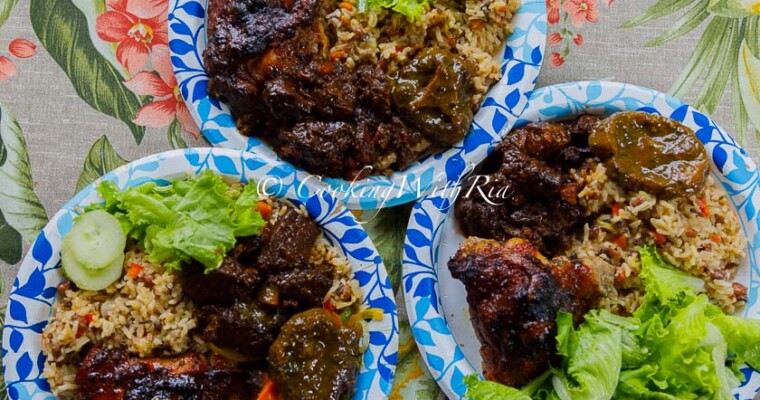
Week 23 – The “Whatever Formula”: Curry Oxtail, Stewed Beef & Jerk Chicken | 52 Weeks of Sunday Lunches