Trinidad and Tobago is known for its vibrant culture, and nowhere is that more evident than in its food. The cuisine of these islands reflects generations of history, migration, and shared traditions, bringing together flavors and techniques from Africa, India, Europe, China, the Middle East, and the Indigenous peoples of the Caribbean. Over time, these influences blended into a cuisine that is uniquely Trinidadian—bold, aromatic, and deeply rooted in community.
Table of Contents
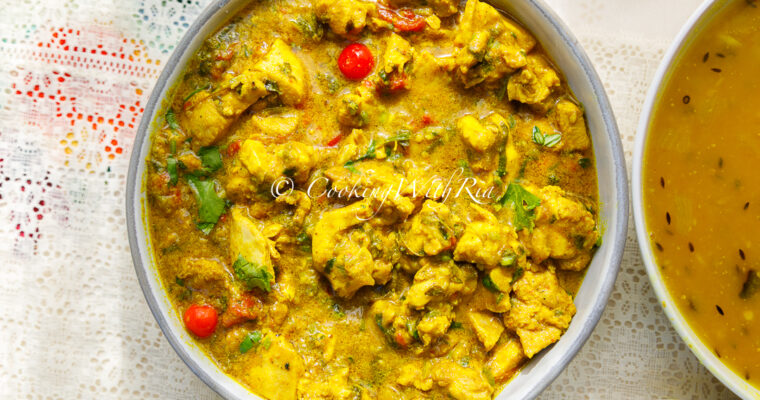
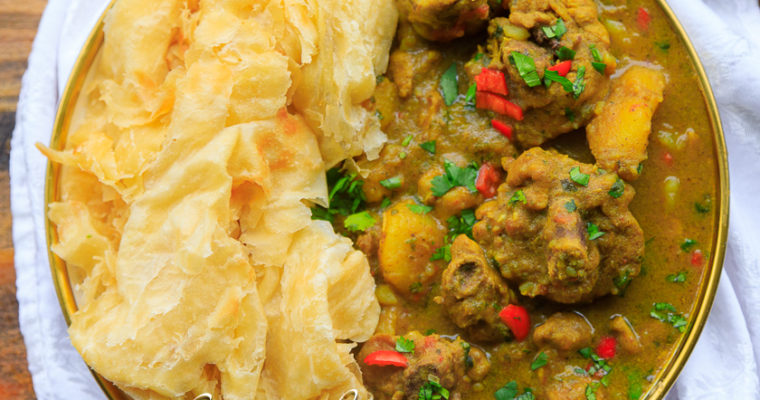
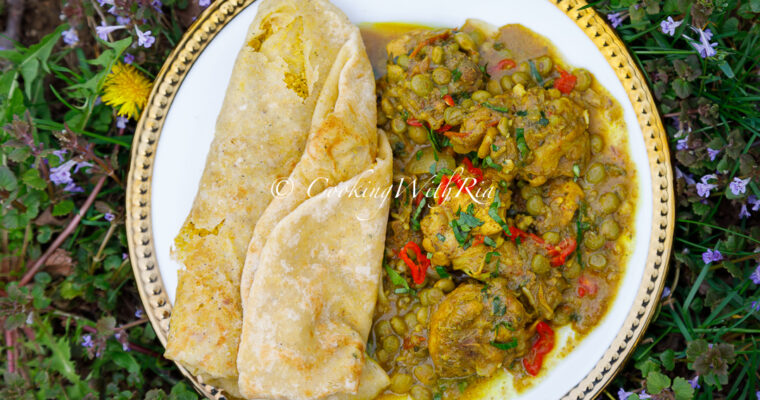
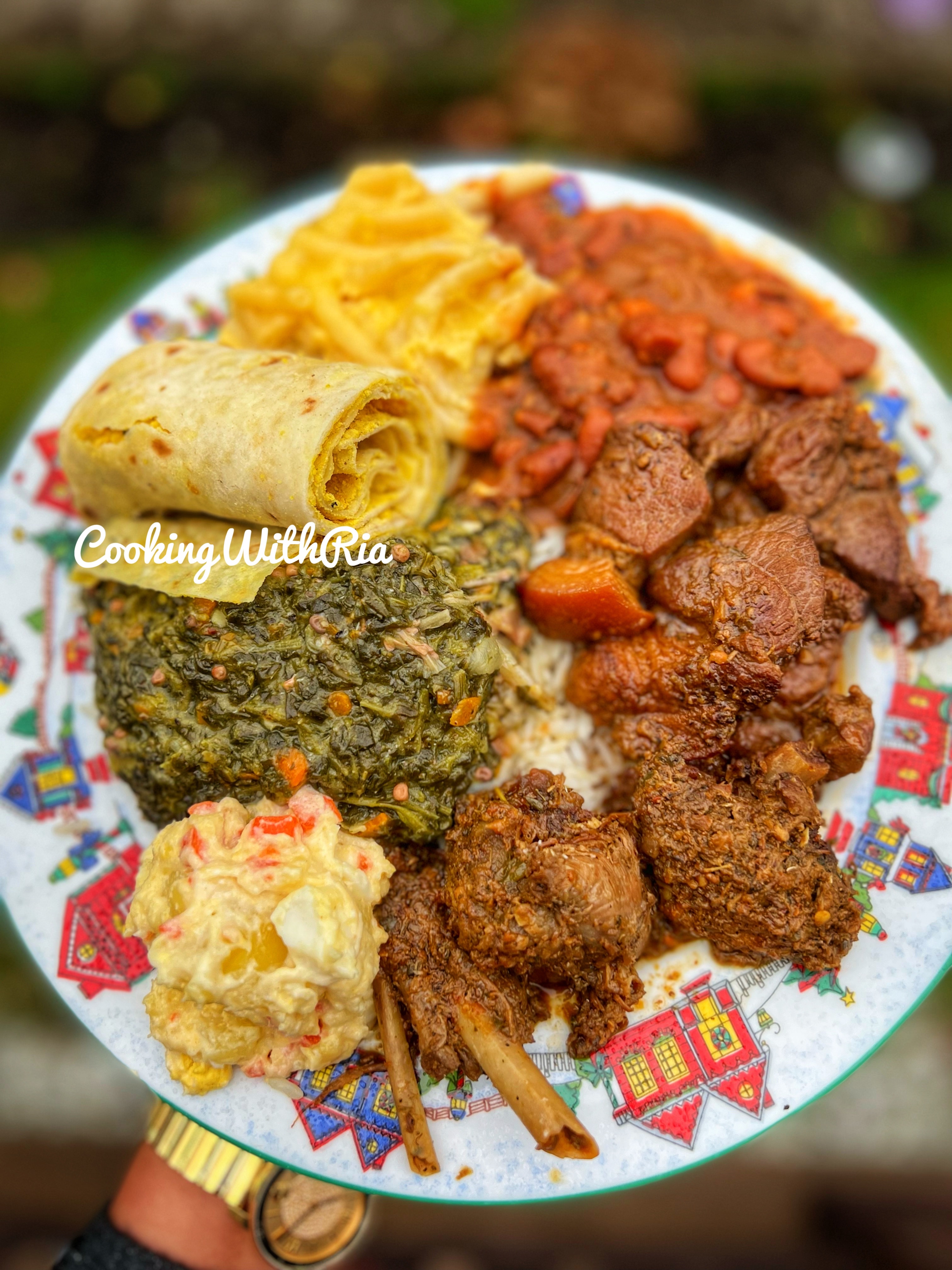
In Trinidad kitchens, it is not unusual to find dishes from several traditions appearing side by side on the same table. A Sunday lunch might include curry chicken alongside stewed meats, rice dishes like pelau, a pot of callaloo simmering on the stove, macaroni pie and perhaps a simple fresh salad to brighten the plate. Street vendors serve beloved foods such as doubles, bake and shark, aloo pie, saheena and pholourie, while family gatherings often feature dishes that have been passed down through generations.
What defines Trinidad food is not just the ingredients, but the way they are used. Fresh herbs, fiery peppers, and carefully selected spice blends form the foundation of many dishes, while techniques like browning sugar for stews or slowly cooking curry create the rich flavors that make the cuisine so memorable.
Whether enjoyed at a roadside stall, a beach or river lime, family table, or a festive celebration, Trinidad food is ultimately about sharing—good food, good company, and the traditions that connect us to home.
The Cultural Influences Behind Trinidad Food
One of the most fascinating aspects of Trinidad and Tobago’s cuisine is the way it reflects the island’s multicultural history. Over the centuries, waves of migration brought new ingredients, cooking techniques, and culinary traditions to the islands. Rather than existing separately, these influences blended together, creating the bold and diverse food culture Trinidad is known for today.
African Heritage
African culinary traditions form one of the foundations of Trinidad’s Creole cooking. Enslaved Africans brought cooking techniques that emphasized slow simmering, stews, and the creative use of available ingredients. Dishes such as callaloo, pelau, stewed meats, and hearty soups reflect these traditions. The use of ground provisions like yam, dasheen, cassava, and plantain or green fig, as well as ingredients like coconut milk and leafy greens(dasheen bush/taro leaves), also connects Trinidad cuisine to African foodways.
Indian Heritage
The arrival of Indian indentured laborers in the 19th century profoundly shaped Trinidadian food. They introduced spices, curry cooking techniques, and flatbreads that are now central to the cuisine. Today dishes such as curry chicken, curry goat, channa(chickpeas), and dhal are staples across the islands. Roti varieties like dhalpuri, dosti roti, sada roti, and paratha are beloved accompaniments to curries and stews, reflecting the strong Indo-Caribbean influence on everyday cooking.
Chinese Influence
Chinese immigrants also contributed to Trinidad’s culinary landscape. Their cooking techniques, particularly stir-frying and noodle preparation, became part of the local food culture. Over time these dishes evolved into uniquely Trinidadian versions of fried chicken, fried rice, lo mein, chow mein, and other Chinese-inspired meals, often seasoned with Caribbean herbs and spices.
European Influence
European colonization also left its mark on Trinidad’s cuisine, especially in baking traditions. Breads, pastries, and cakes developed into local favorites such as sweetbread, sponge cake, and festive desserts like black cake. These dishes were adapted with Caribbean ingredients such as coconut, spices, and dried fruits.
Indigenous Amerindian Traditions
Long before the arrival of other cultures, the Indigenous peoples of the Caribbean relied on ingredients like cassava, corn, and local fruits and vegetables. These ingredients remain an important part of Trinidad’s food culture today. Cassava is still used in traditional dishes and desserts, while many cooking techniques rooted in Indigenous traditions continue to influence Caribbean cuisine.
Together, these cultural influences created a cuisine that is layered, dynamic, and constantly evolving. Trinidad and Tobago is often described as a true cultural melting pot, and nowhere is that more evident than in its food. In Trinidad kitchens today, it is natural to see dishes from different traditions served side by side—curries, stews, rice dishes, seafood, and street foods all sharing the same table. This blending of cultures is what gives Trinidad food its distinctive character and depth of flavor.
The Flavors That Define Trinidad Cooking
While Trinidad’s cuisine reflects many cultural influences, the flavors that define everyday cooking are rooted in a handful of essential ingredients and techniques. These ingredients appear again and again across curries, stews, soups, and rice dishes, creating the bold and recognizable taste of Trinidad food.
At the heart of many dishes is green seasoning, a fragrant blend of fresh herbs and aromatics typically made with chadon beni (bandhania/culantro), garlic, scallions, thyme, and hot peppers. This mixture is used to marinate meats, season vegetables, and build the foundation of countless dishes.
Another defining element of Trinidad cooking is the use of curry and other spices, which reflect the strong Indo-Caribbean influence on the cuisine. Curry powder, roasted ground cumin (known locally as geera), turmeric, and other spices are toasted and cooked to release their aroma before meats, seafood, or vegetables are added.
Hot peppers are also essential. Varieties such as Scotch bonnet, habanero, bird peppers and wiri wiri peppers add heat and depth of flavor to everything from curries to pepper sauces.
Many dishes are further enriched with coconut milk, which adds a subtle sweetness and creamy texture to stews, soups, and rice dishes.
In Creole-style cooking, a technique known as browning—caramelizing sugar until it darkens—creates the deep color and rich flavor found in classic stewed dishes like stew chicken and stewed beef.
Fresh herbs such as thyme, along with ingredients like pimento peppers (seasoning peppers), also play a key role in layering flavor without overwhelming heat.
Together, these ingredients create the bold, aromatic foundation of Trinidad cooking. Understanding how they work together is the first step to recreating the flavors of the islands at home.
Popular Dishes in Trinidad and Tobago
Trinidad and Tobago is home to a remarkable variety of dishes that reflect the island’s multicultural roots and love of bold flavor. From hearty one-pot meals to richly spiced curries and beloved street foods, the cuisine offers something for every appetite.
Some of the most well-known dishes include pelau, callaloo, curry duck, curry chicken, curry goat, macaroni pie, stewed chicken, and curry crab and dumplings. These meals are often enjoyed alongside rice, roti, boiled provisions, dumplings, or fresh salads, creating the balanced plates that Trinidadians know and love.
Street food is equally iconic, with favorites like doubles, bake and shark, pholourie, aloo pie, souse, geera pork and black pudding appearing at roadside stalls, markets, and beaches across the islands.
➡️ To explore some of these dishes in detail, see my guide:
Top 25 Must Try Foods in Trinidad and Tobago
Explore More Trinidad Recipes
Trinidad food is bold, comforting, and deeply rooted in culture. From vibrant street foods to slow-simmered curries and traditional Sunday lunches, the cuisine reflects generations of history, migration, and creativity in the kitchen.
If you’re ready to experience these flavors for yourself, here are a few places to continue exploring:
➡ 10 Essential Ingredients in Trinidad Cooking — learn about the herbs, spices, and pantry staples that form the foundation of traditional Trinidad cooking.
➡ Spices in Trinidad Cooking — discover the essential spices that shape Trinidad cuisine, including curry powder, geera, amchar masala, and other traditional seasonings.
➡ What Are Ground Provisions? A Complete Guide and How to Cook Them — learn about the root vegetables central to Caribbean cooking and how they are prepared.
➡ Top 25 Must-Try Foods in Trinidad and Tobago — a curated list of the most iconic dishes from the islands.
➡ Browse My Trinidad Recipe Collection — explore my full recipe index with authentic Trini dishes you can cook at home.
➡ 52 Weeks of Sunday Lunch — a celebration of the traditional Trinidad Sunday lunch, where family, food, and culture come together around the table.
Whether you’re discovering Trinidad food for the first time or reconnecting with flavors from home, I hope these recipes inspire you to cook, share, and enjoy the incredible cuisine of Trinidad and Tobago.
📩 Subscribe & Get My Free Green Seasoning Booklet
If you want more Caribbean-inspired dishes, practical cooking tips, and Sunday Lunch stories delivered straight to your inbox, be sure to subscribe.
When you join, you’ll receive my free Green Seasoning Booklet — a true Caribbean kitchen essential that adds depth, flavor, and confidence to so many of our traditional dishes. It’s the base of countless meals in my kitchen, and once you start using it, you’ll understand why.
❤️ Shop My Kitchen Favorites on Amazon
These are the trusted tools and pantry staples I use in my own kitchen — the ones that make Caribbean cooking easier and more enjoyable.
From my go-to seasonings to the heavy-bottom pots and pans I cook Sunday Lunch in every week, these essentials help bring Caribbean meals together with confidence and consistency.